
 By: ZG-Helplift
A solar panel's journey does not end when it reaches the top of a ladder lift. Someone still needs an agreed way to receive it, support it and move it onward. The route from loading point to receiving position should shape the lift discussion from the beginning.
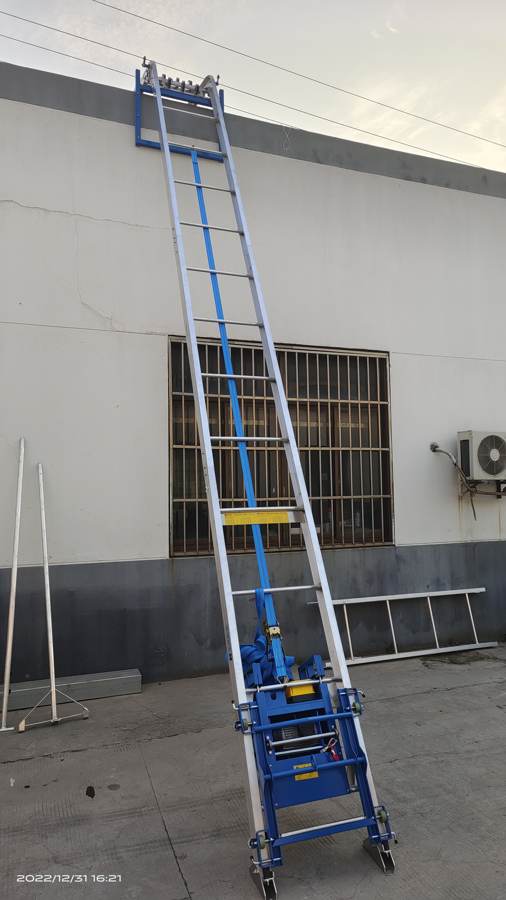
ZGHELPLIFT's aluminium ladder lift catalogue illustrates panel handling and wired or wireless hoist control. Its cargo platform is listed as 840 × 690 × 350 mm when open. That gives a useful starting point for comparing the panel's dimensions and support needs, while the permitted load arrangement must come from the current instructions.
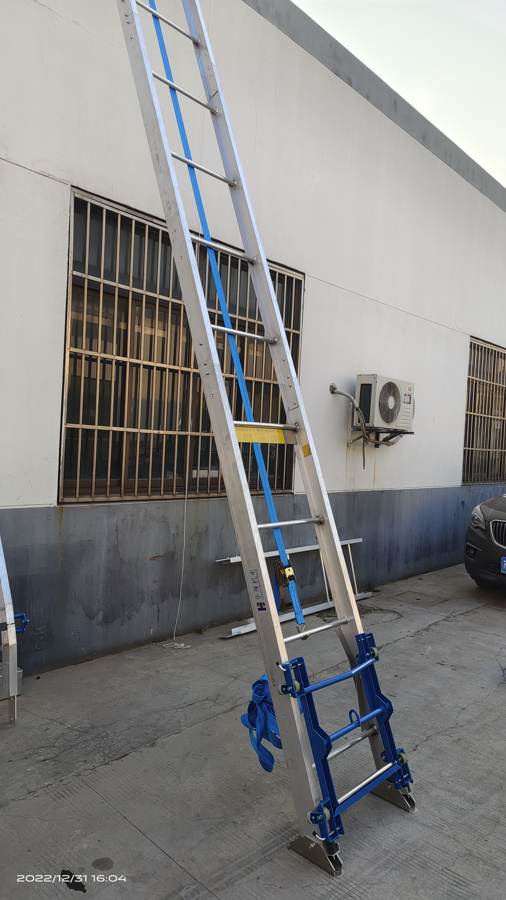
At ground level, consider how the panel reaches the carrier and which parts of its frame can be supported. Follow the intended travel path upward, checking the planned installation geometry and surrounding space with the responsible site team. A nominal ladder length alone cannot prove that the carrier will arrive at the required receiving position.
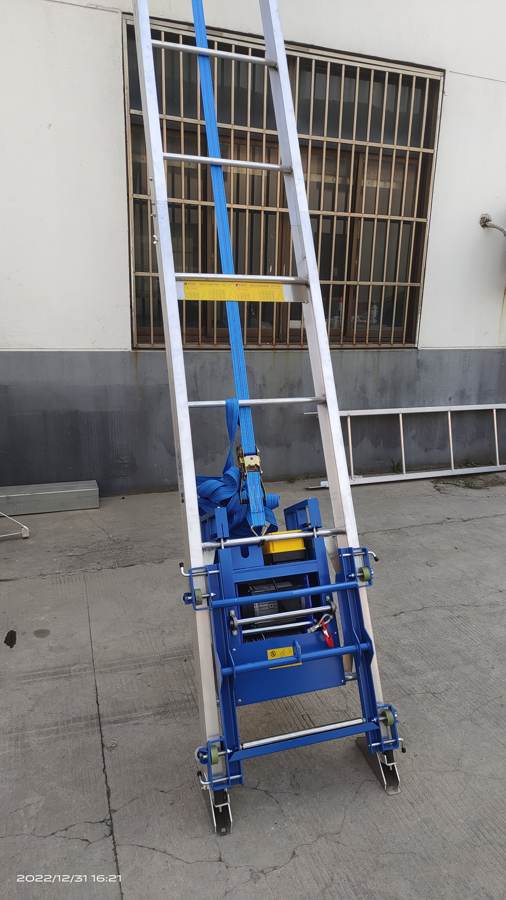
At the top, describe the handoff before choosing a configuration. The receiving area, permitted operator positions and onward movement need a coordinated method. Wind limits, securing arrangements and the allowed setup must be established from the actual machine documents and site plan.
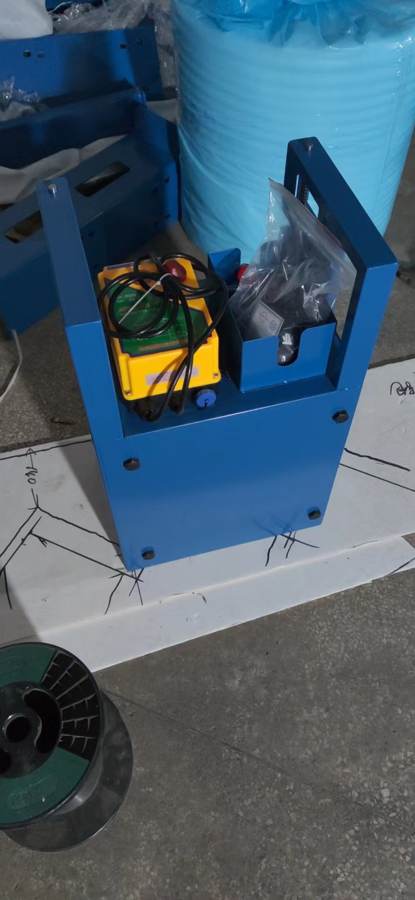
Send ZGHELPLIFT panel dimensions and weight, the intended route, receiving-level drawings, access photographs and the destination market. Model-specific capacity and geometry can then be checked together, rather than combining the largest values from different versions.