 By: ZG-Helplift
Two stacked equipment cases stand beside a flatbed truck. An operator brings a ZGHELPLIFT lift to the cases, raises them to bed height and guides them onto the vehicle. Then comes the part that answers a distributor's next question: How will the lifting equipment travel to the delivery site? The operator raises the machine itself and guides it onto the truck.
That is the working idea behind this self-loading truck forklift. It helps load the goods and can then accompany them. In the demonstration, a wireless hand control operates the lift while the operator positions and moves the machine. The two actions belong together for a delivery business whose next destination may have no forklift waiting.
What does the demonstration actually show?
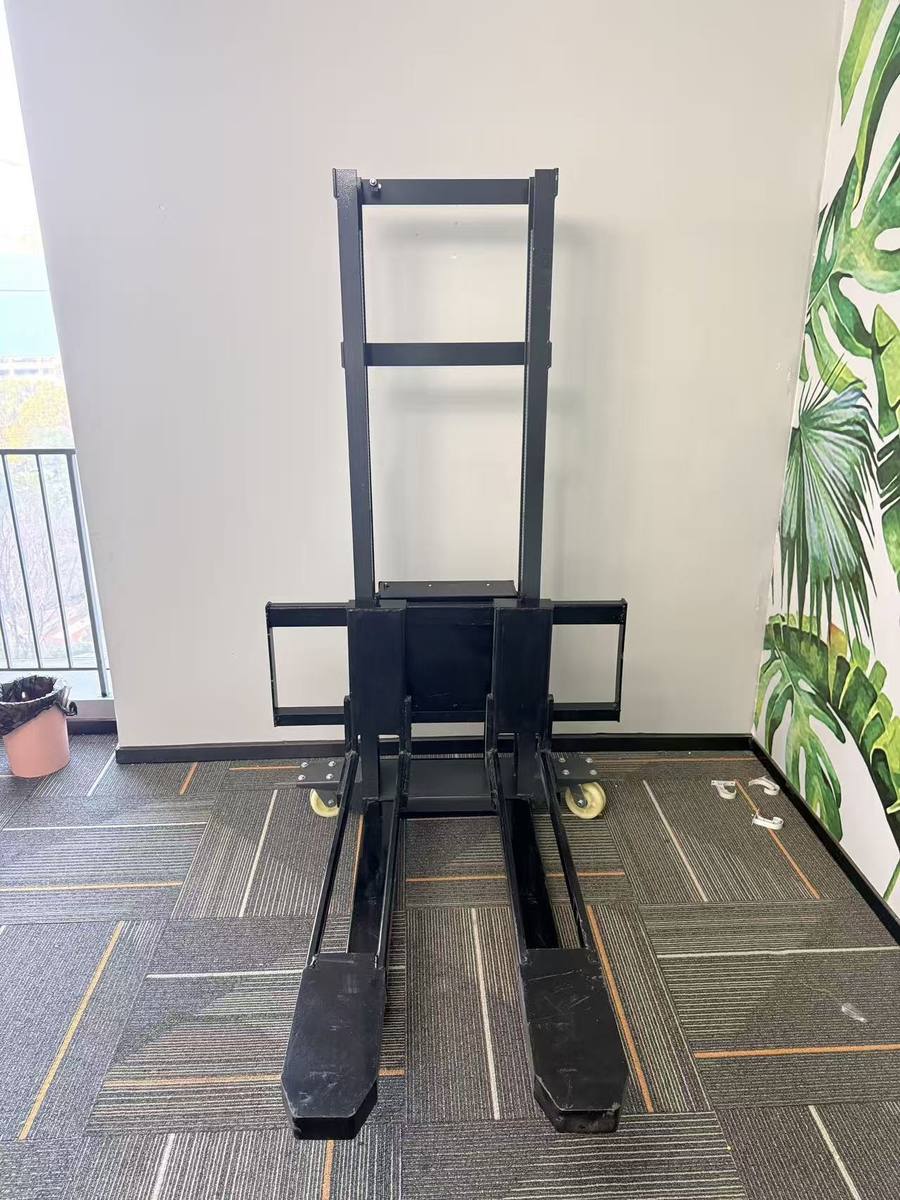
At the start of the video, an operator moves the forklift toward two stacked equipment cases. The forks support the cases as they rise to the flatbed height. The operator then guides them onto the truck. After the load is on the bed, attention returns to the machine: the operator positions it beside the truck, controls another lift, and pushes it into the bed area.
This is an operator-guided process. The hand control operates the lift; the person still positions and moves the machine. The video shows the loading sequence, not an unattended vehicle driving itself, and it ends before the machine is shown secured for road travel. Those distinctions matter because a distributor must understand what the equipment does and what still belongs to the delivery plan.
For a business that visits sites with different receiving arrangements, the practical idea is straightforward: the same piece of equipment can help load the goods and accompany the vehicle. Its value appears in the connection between those two tasks. It is not established by a headline capacity alone.
Why the company behind the machine matters
Fuyang Zhugao Mechanical Equipment Co., Ltd. manufactures and exports lifting equipment under the ZGHELPLIFT brand. The company covers machine design or improvement, production and assembly, quality inspection, sales, and after-sales support. For a distributor, that connection matters because questions about the machine and questions about the overseas order belong to one working relationship.
The two lift movements make the product objective clear. The machine must handle the goods beside the truck and then become part of what the truck carries. That asks the frame, forks, wheel arrangement, lift, and controls to work as one system. A capacity number alone cannot show the relationship; an actual loading sequence can.
This is where manufacturing and export work meet. A distributor may first ask whether a machine will support the cargo, then ask how it travels with a particular vehicle and how the order will be supported afterward. ZGHELPLIFT can carry that discussion across product design, assembly, inspection, sales, and after-sales within the same company. The buyer begins with a visible operation and continues with the people responsible for delivering the equipment.
Quality is a working sequence, not a slogan
The video offers a first look at how the lift, frame, forks, wheels, and controls work together. The cases rise to the receiving height; the operator repositions the machine; the machine then rises for its own transfer to the bed. A close product photograph adds another view of the mast and control area. These are observable details that a buyer can discuss with the manufacturer.
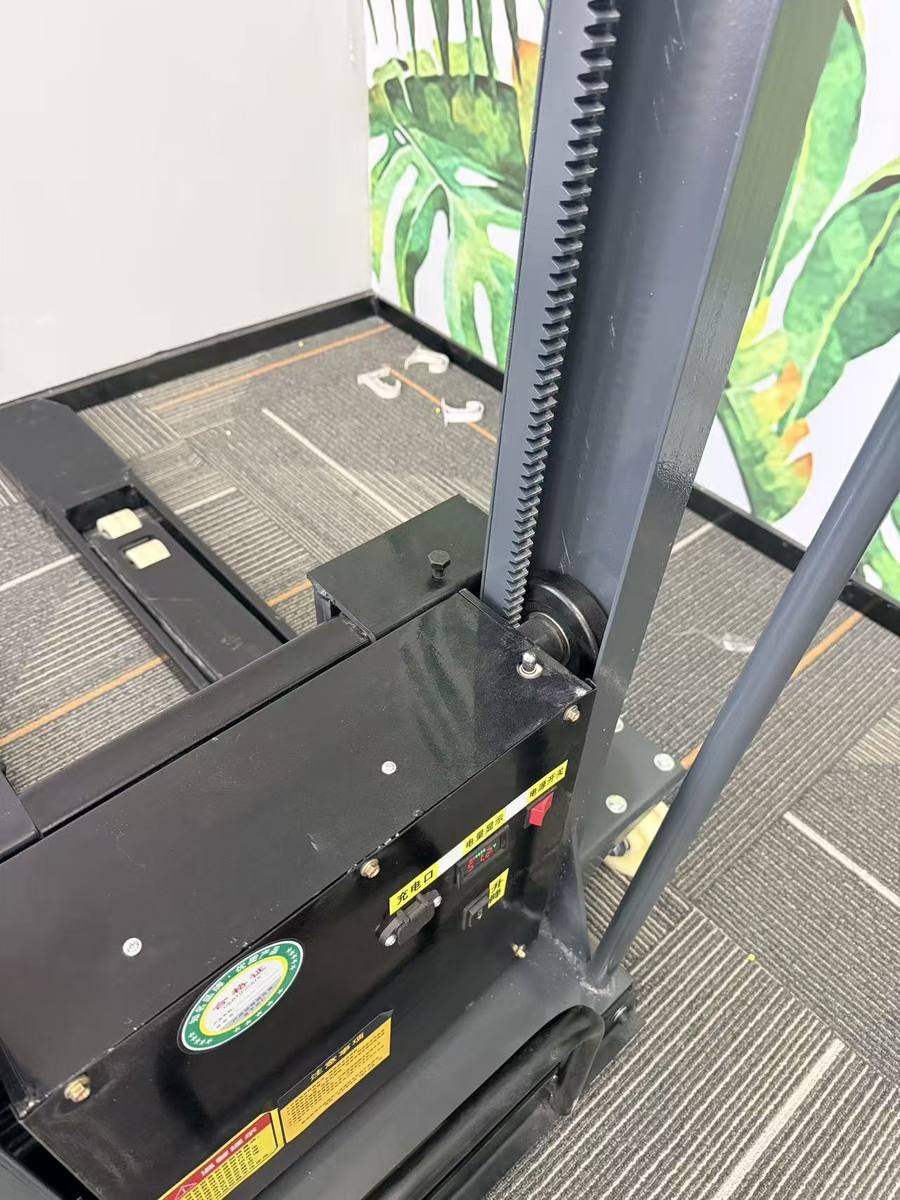
ZGHELPLIFT's production chain includes quality inspection. A serious conversation about machine quality should therefore move from appearance to the specific model and the work it will perform. The video demonstrates a real sequence; it does not claim that every load, truck, ground surface, or destination can be handled in the same way. That is where the manufacturer's technical team and the buyer's operating details become important.
The truck-mounted forklift product page lists the ZGSCCC130 and ZGSCCC160 versions. It is the right place to begin comparing published specifications. This article focuses on the delivery workflow and the people responsible for supporting it, while the final configuration should be discussed for the buyer's vehicle and use.
Service should follow the delivery, not end at the quotation
A distributor may serve several types of customers and several types of delivery site. One may have a clear, level unloading area; another may require a different approach to handling or transport. ZGHELPLIFT's export and manufacturing work is connected, so the conversation can begin with what the distributor needs to deliver and continue through machine configuration, order details, and after-sales support.
That conversation is most useful when the buyer brings the real task: the kind of goods, the delivery vehicle, where loading and unloading take place, and what the receiving point looks like. The export team can then discuss the relevant model and commercial scope with the people responsible for the equipment. The article cannot replace that exchange, and it does not need to. Its job is to show why the exchange is worth having.
If your business delivers to sites where unloading equipment is not always waiting, contact ZGHELPLIFT with a short description of your route, vehicle, and cargo. We can start with the demonstrated workflow, then work with you on the model and service details that belong to your actual deliveries.