
 By: ZG-Helplift
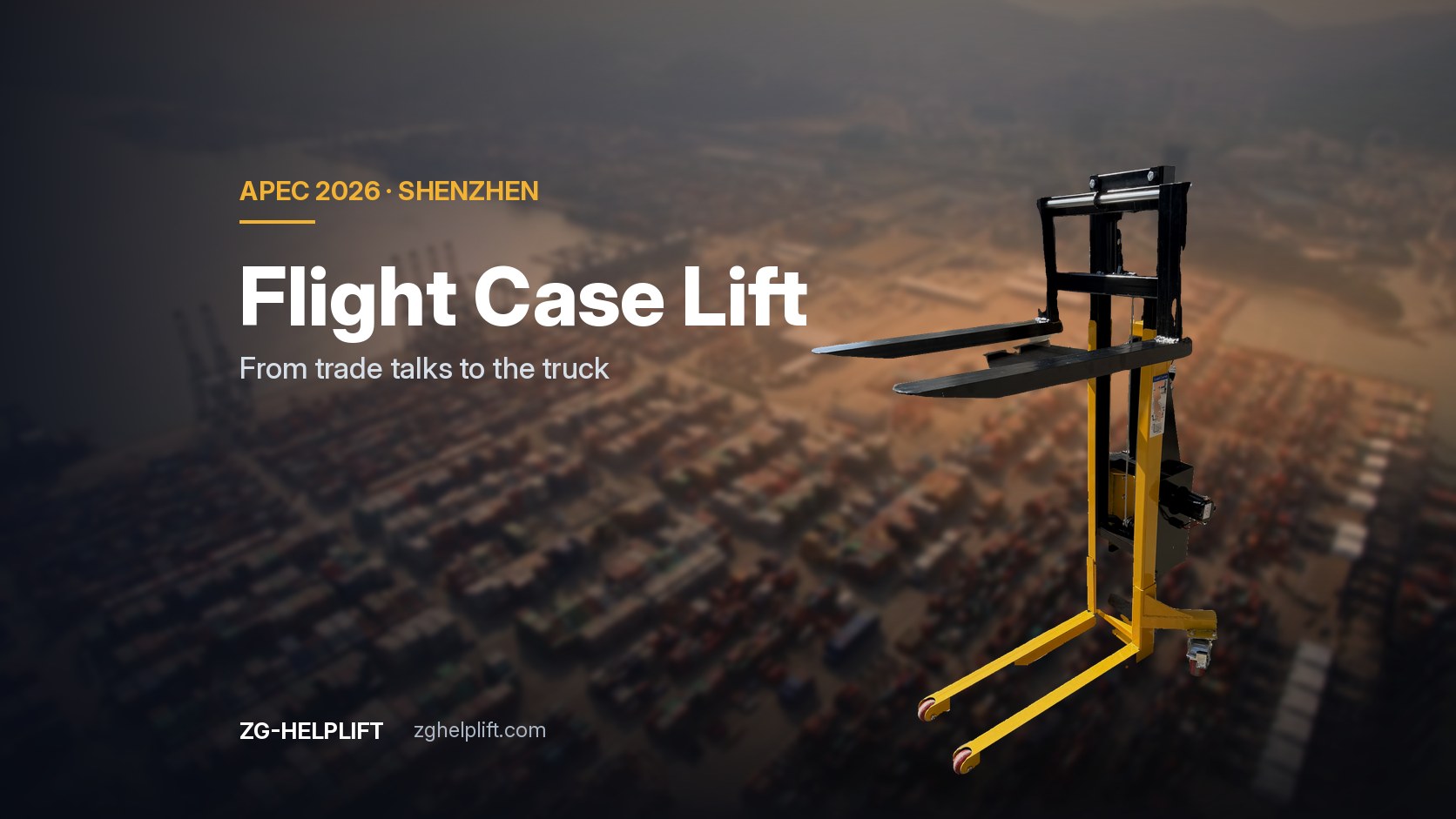
This is a story about a flight case lift. It begins far from any loading dock, in Shenzhen, China, where the APEC Economic Leaders' Meeting took place on 18 and 19 November 2026.
Chinese President Xi Jinping hosted the meeting. US President Donald Trump and Russian President Vladimir Putin both attended in person, and on 19 November the three leaders held their first-ever trilateral meeting on the sidelines of the summit.
What APEC 2026 Said About Trade and Supply Chains

At the welcome banquet, Xi said the leaders would discuss how to “expand mutual opening up” and “expand practical cooperation across various fields”, according to a CNBC translation.
The leaders' declaration, the Shenzhen Outlook, went into the mechanics of trade. It reaffirmed a commitment to “strengthening supply chain resilience” and said trade corridors should remain open. It endorsed an APEC Connectivity Blueprint for the flow of goods, backed by “safe and resilient transport links”. It also promised small businesses better access to tools and to regional value chains.
Every Supply Chain Ends at the Truck
Summit language is about corridors, ports and policy. On the ground, all of it comes down to one small moment, repeated countless times every day: someone has to get a heavy load from the floor into a truck or van.
That last metre is where backs get hurt and schedules slip. It is also where a truck loading lift can change the job. To see how, leave the summit hall and go to a loading dock at midnight.
Leo, below, is a fictional crew chief. His night will sound familiar to many touring and events crews.
The Midnight Load-Out
It is 11:40 p.m. The last encore has finished, the house lights are up, and the loading door behind the stage is open to the cold.
For Leo, crew chief of a small touring sound-and-lighting team, the show is over but the night is not. Twenty-odd flight cases stand between his crew and the drive home: amplifier racks, lighting fixtures in foam-lined cases, cable trunks and a mixing desk.
His crew had a routine. Two people tipped a case onto its edge, a third pulled from inside the van, and everyone hoped nobody slipped on the ramp. On a bad night, with rain, a tight loading bay or one person short, it was slow and risky. One technician had already spent a week off work with a strained back after lifting a heavy amp rack.
The problem was not effort. The problem was height.
A ramp helps rolling cases but is awkward with heavy racks in a short bay. A hand truck moves cases across the floor, but it does not raise them. Leo needed something that could take a case at floor level, raise it to the van floor, and let the crew slide it in rather than lift it.
Finding a Flight Case Lift That Fits the Tour
After that injury, Leo started looking for a loading machine a small crew could actually take on the road. His checklist was short:
- It had to lift real touring weights, not just light boxes.
- It had to work at venues with a wall socket, and at docks without one.
- It had to travel in the van without taking over the whole truck.
- It had to be simple and safe to use late at night by tired people.
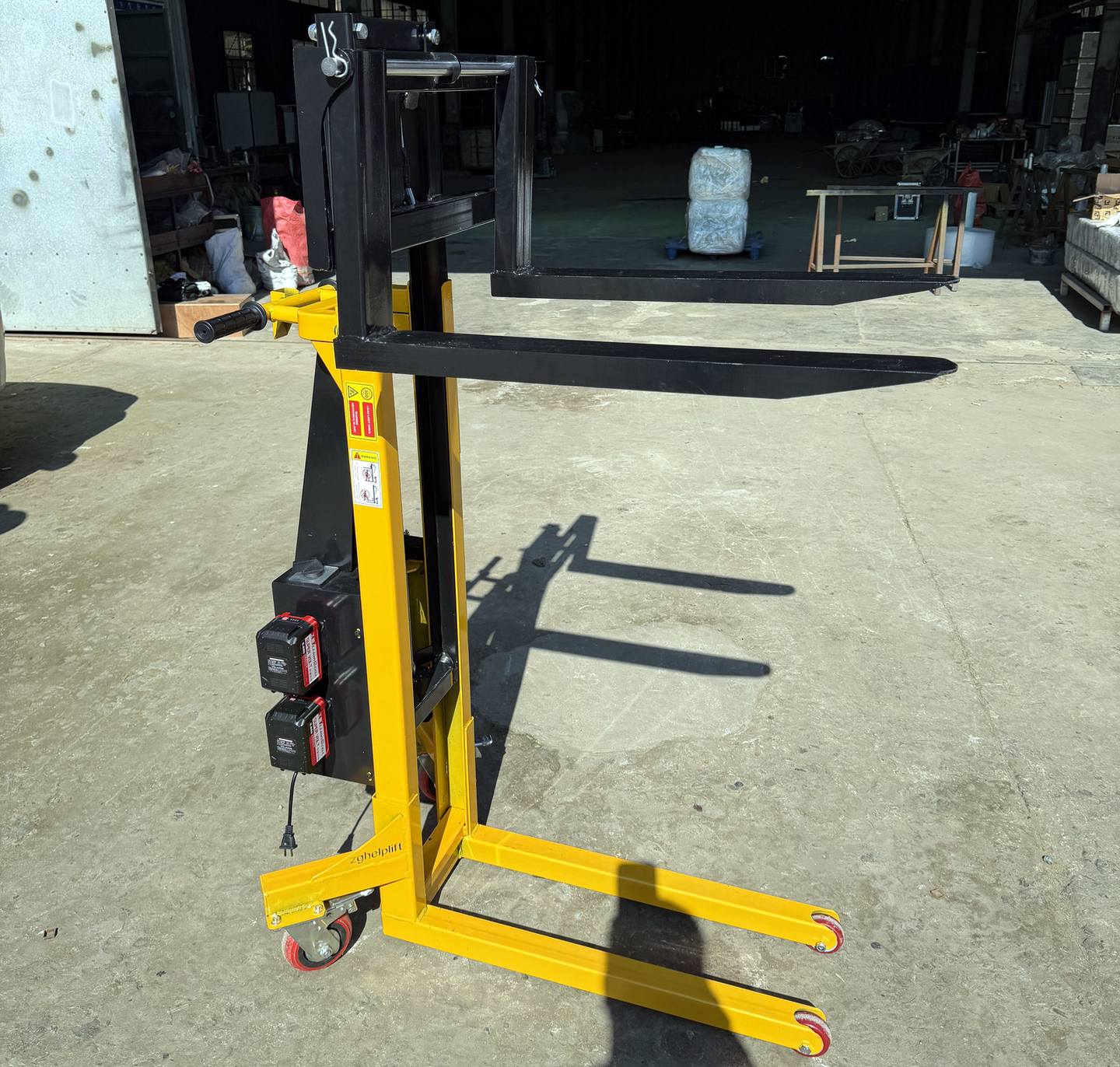
That search led him to the New Model Loading Machine (ZGXKZCJ160) from ZG-Helplift, a compact electric stacker designed for stage audio and lighting flight cases, short-distance stacking and vehicle loading.
Inside the Loading Machine, Feature by Feature
Portable and detachable
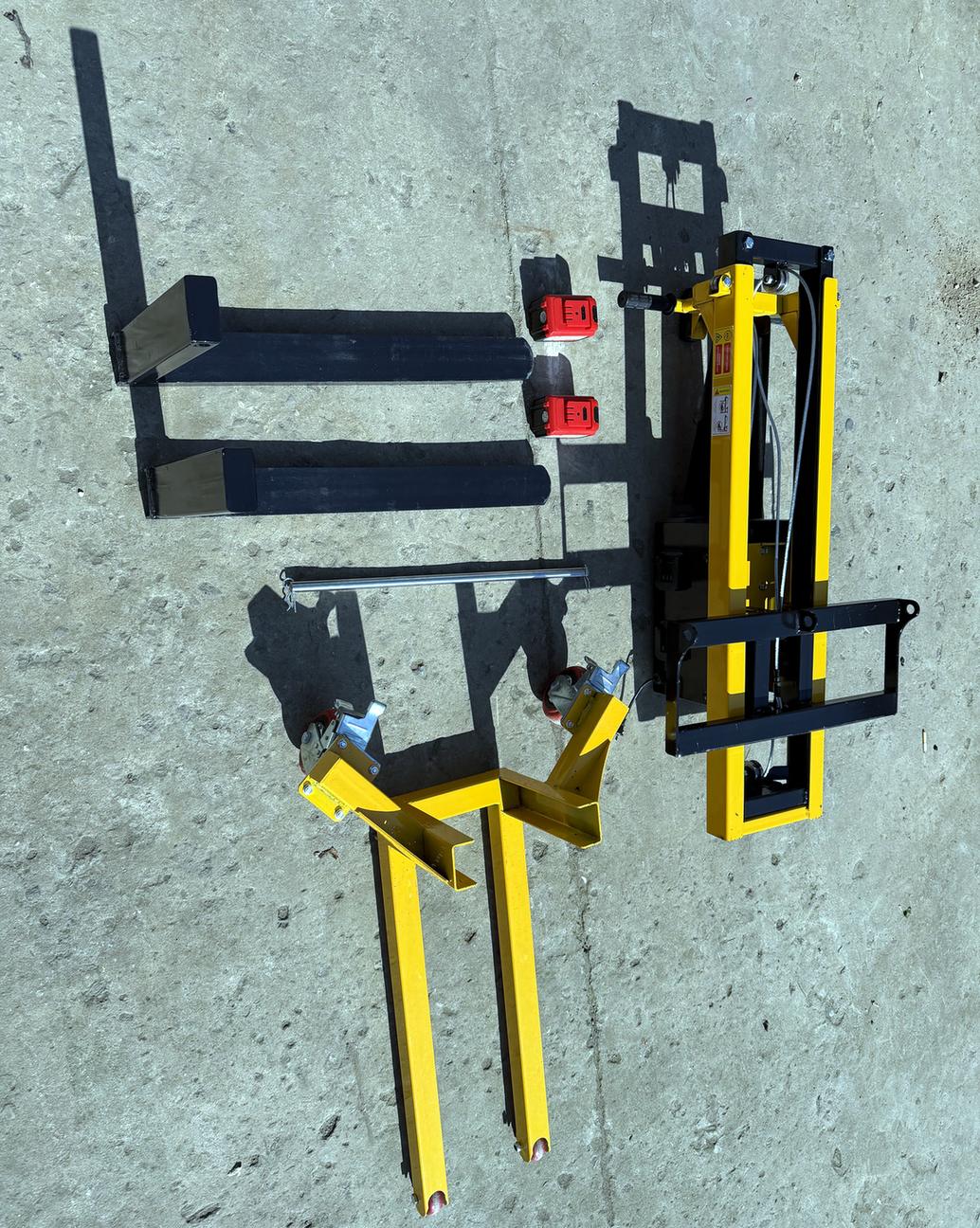
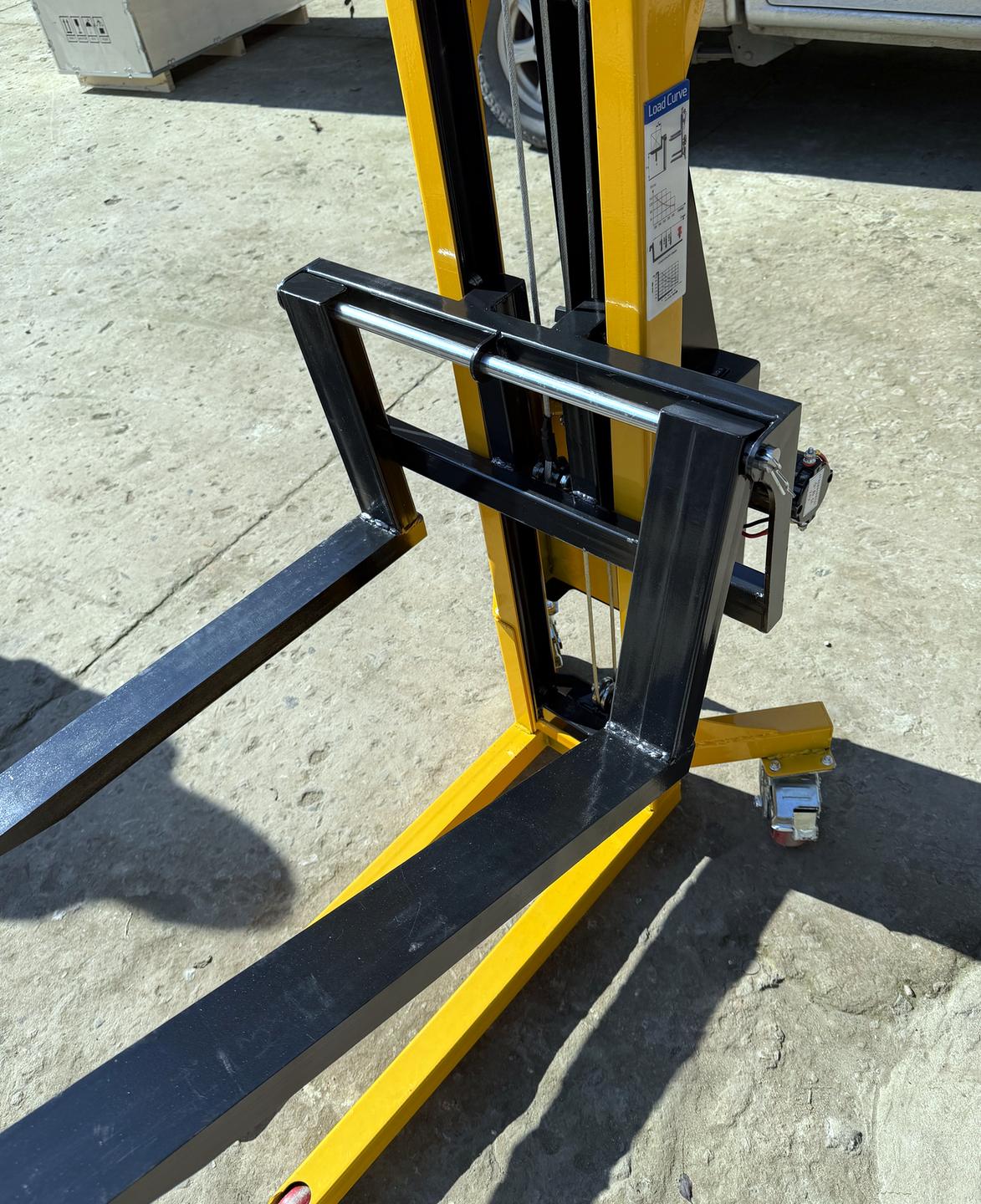
The third item on Leo's list ruled out most machines. This one has a removable frame and detachable forks, so it breaks down into parts that pack with the rest of the kit. Packed, it measures 133 × 68 × 52 cm.
AC or DC: power at any venue
Leo's biggest worry was power. Some venues have a socket right by the loading door. Some do not.
This machine has selectable power modes. It runs on 220 V or 110 V AC mains, as specified on the nameplate, or on a nominal 24 V DC battery supply through a Makita-style battery mount.
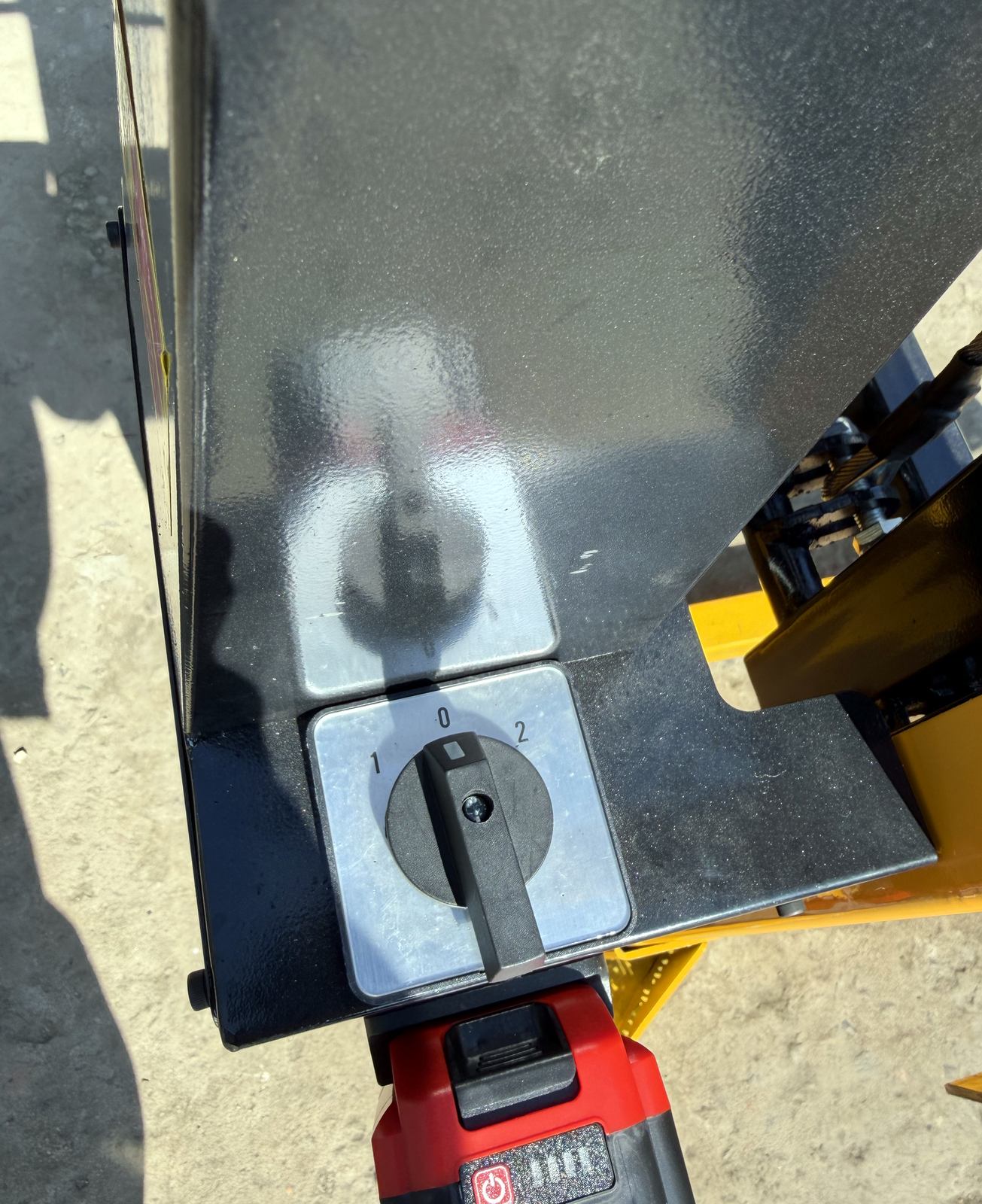
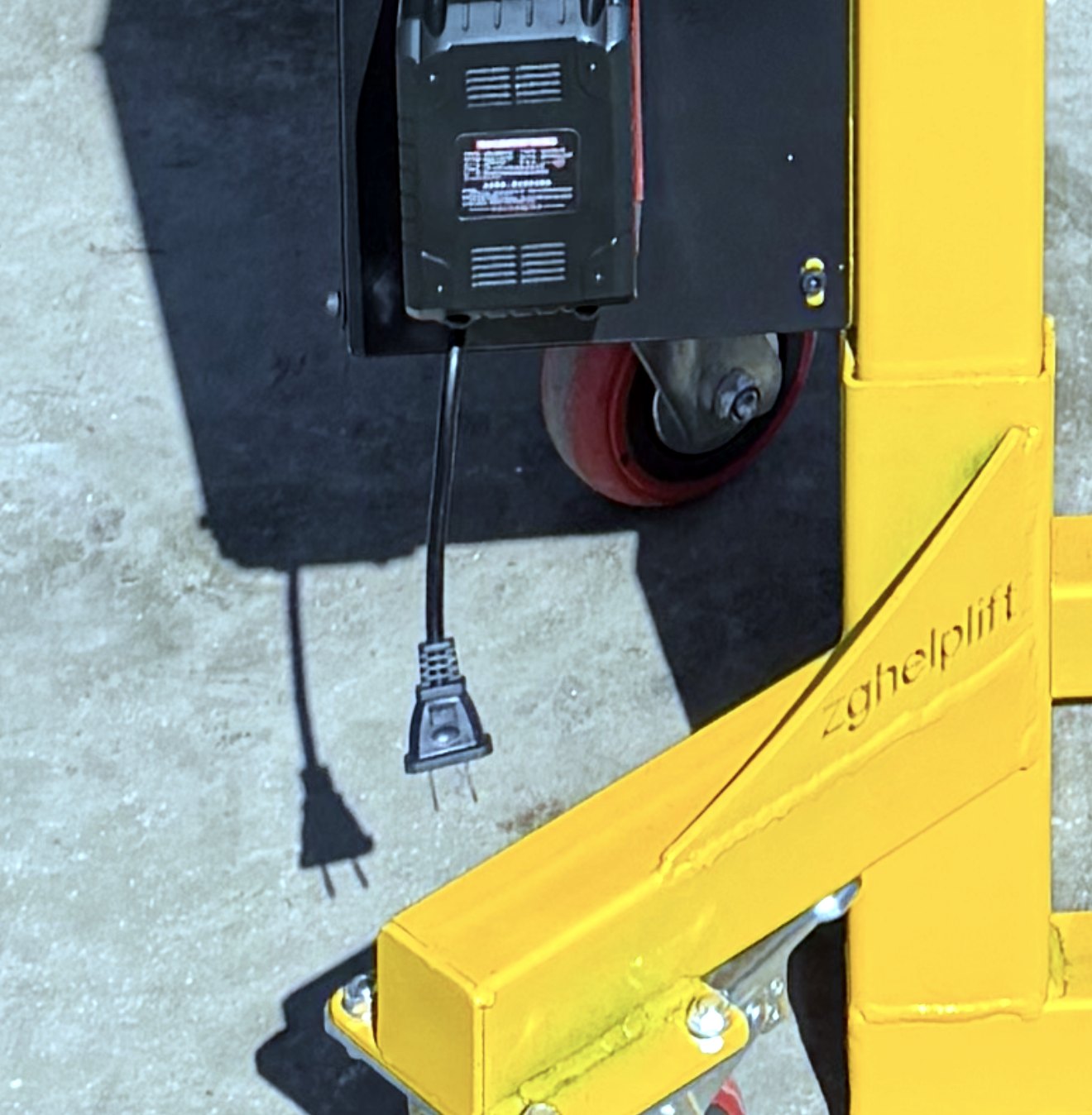
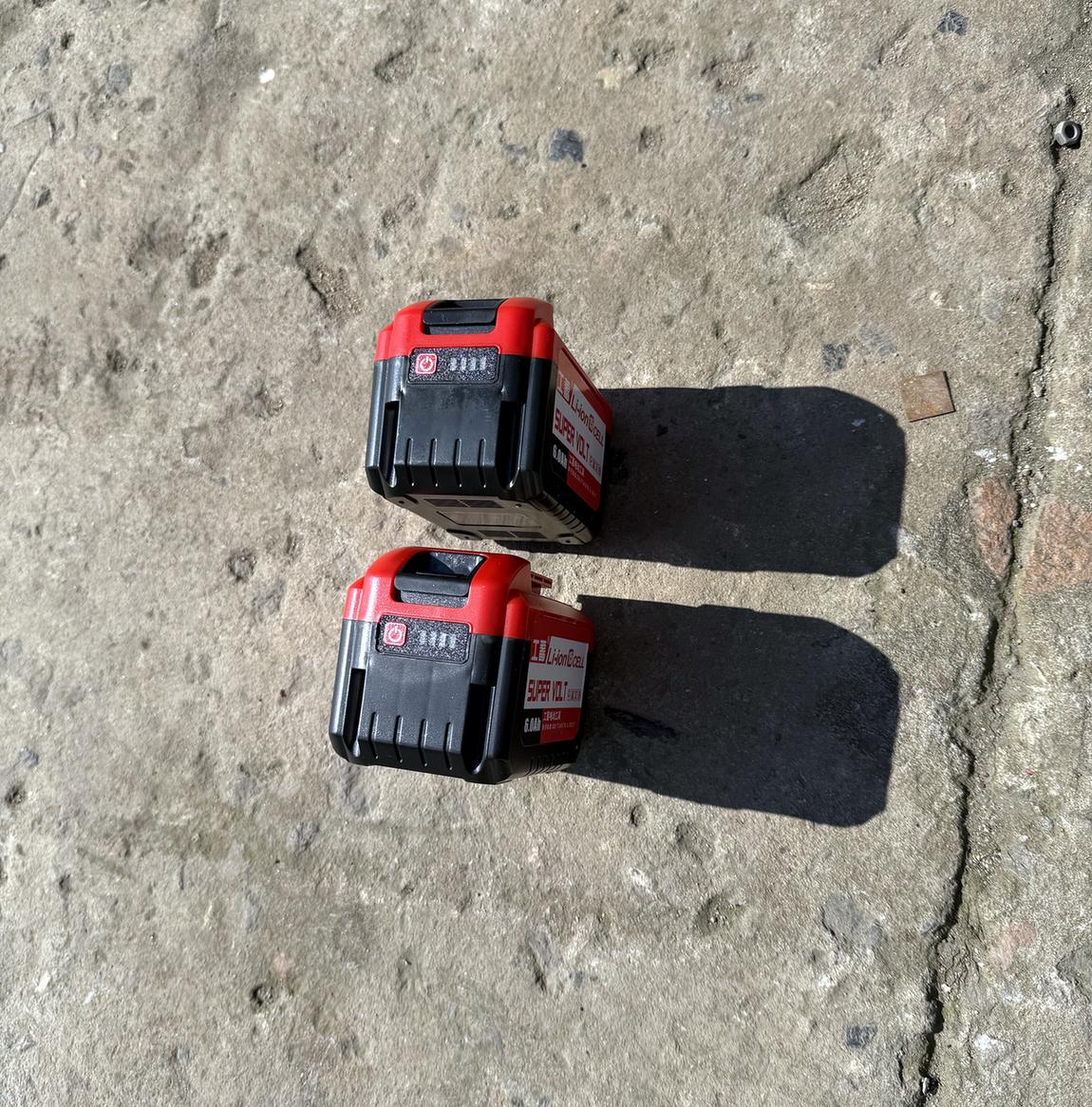
With a socket, it is a mains-powered lift. Without one, it is a flexible battery stacker. Batteries are not shipped with the machine because of dangerous-goods rules, so a compatible battery is bought locally. ZG-Helplift can recommend the right model.
Adjustable forks for different case sizes
Flight cases come in many widths. The forks can be taken off and moved sideways to change their spacing, so a narrow cable trunk and a wide amp rack both sit securely.
Wireless remote control
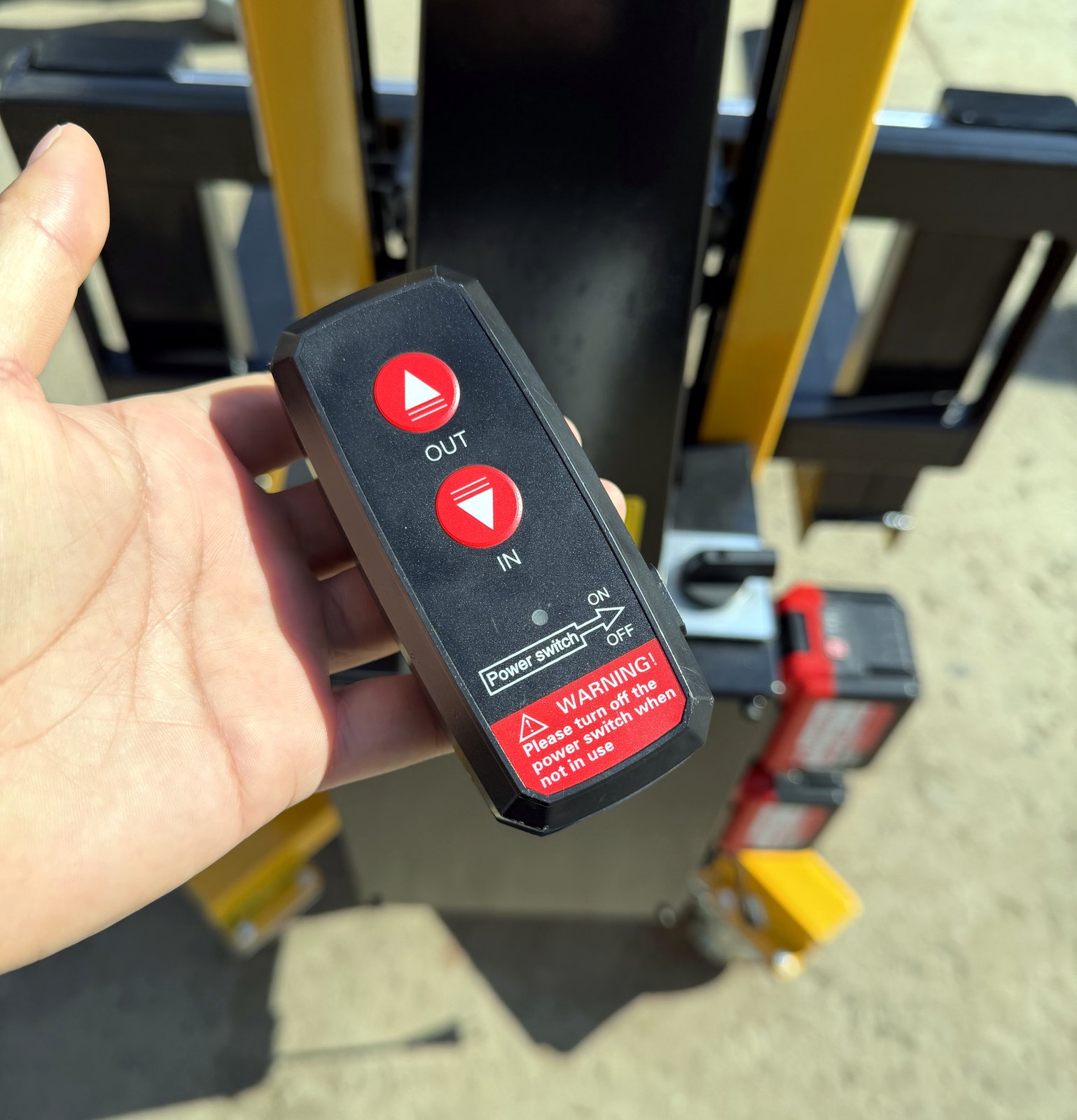
The machine in our photos is operated with a handheld wireless remote, with OUT and IN buttons and a power switch. The operator can stand beside the case and watch it, instead of reaching under the load. Ask us to confirm the control options for your order.
Safety details for late nights
- Battery level display and overcharge protection, so the crew knows the charge before the last load-out.
- Dual wire-rope safety design for added peace of mind during lifting.
Key Specifications at a Glance
| Item | Specification |
|---|---|
| Model | ZGXKZCJ160 |
| Load capacity | 250–300 kg |
| Lift height | 1.6 m (160 cm) |
| AC power | 220 V or 110 V AC, as specified on the nameplate |
| DC power | Nominal 24 V DC, compatible with approved 21 V batteries |
| Battery mount | Makita-style (batteries not included) |
| Net / packed weight | 62 kg / 90 kg |
| Packing dimensions | 133 × 68 × 52 cm |
| OEM | OEM options available |
Available load capacity varies with supply voltage and battery charge, so always check the machine nameplate and the manufacturer's load guidance.
A Different Kind of Load-Out
Picture the same night a few weeks later. The encore ends, the doors open and the cases roll out.
This time one technician wheels the loading machine to the back of the van. Each heavy case goes onto the forks, rises to the vehicle floor, up to 1.6 m, and slides in. The rest of the crew keep the cases coming instead of waiting for three people to wrestle each one.
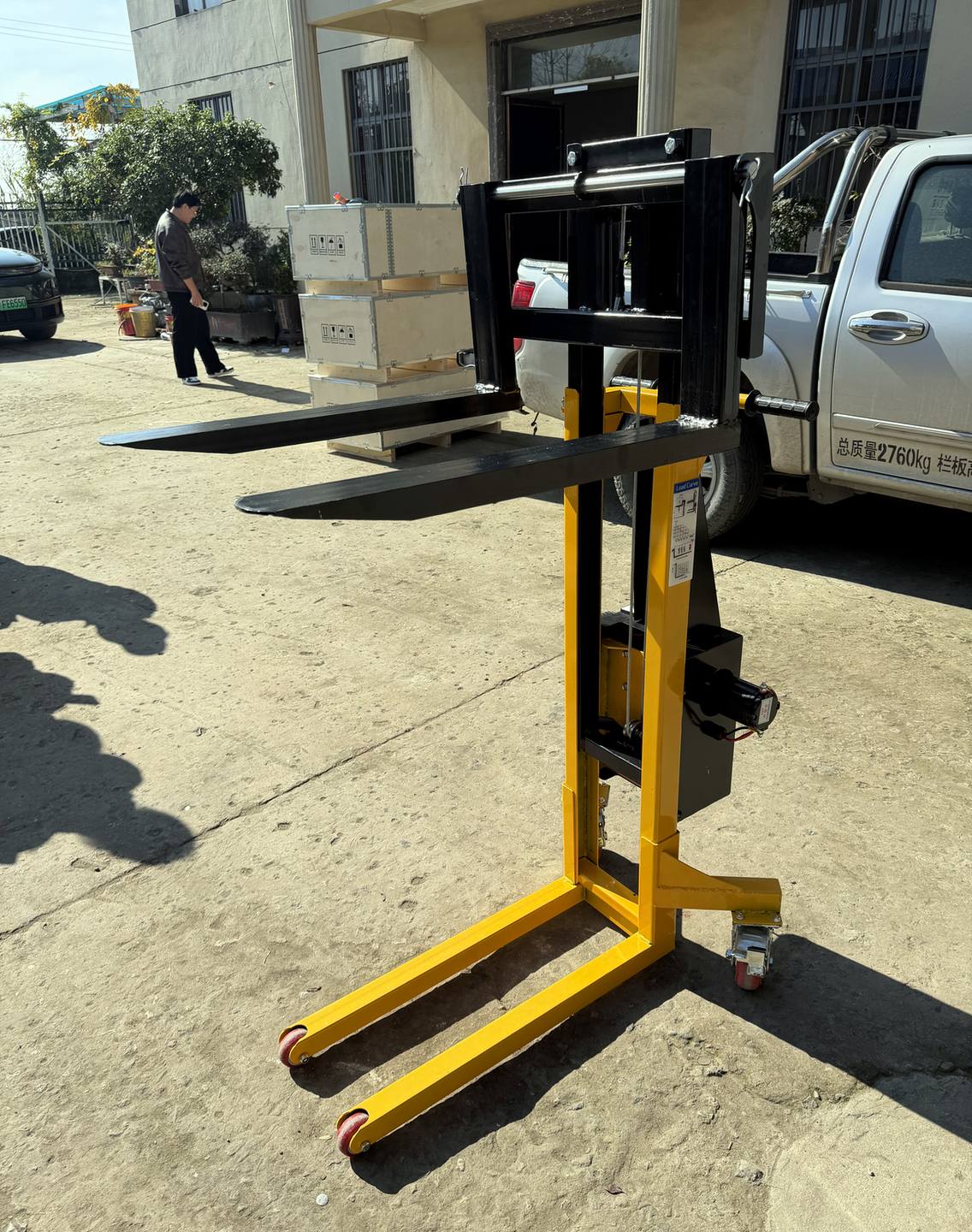
Nobody is straining to lift an amp rack to chest height in the rain.
When the job is done, the machine comes apart and travels with the rest of the kit. The same tool works for small warehouses loading delivery vans, retail stores receiving stock, and exhibition venues where stands arrive in cases. If you plan to move it between floors, check the elevator size and load limit first.
Flight Case Lift FAQ
How much can the New Model Loading Machine lift?
Its load capacity range is 250–300 kg, with a lift height of 1.6 m. Actual capacity varies with supply voltage and battery charge.
Can it work without a power socket?
Yes. It can run on a nominal 24 V DC battery through a Makita-style mount, or on 220 V or 110 V AC mains. Batteries are not included.
Why are batteries not shipped with the machine?
Dangerous-goods shipping rules apply to batteries. Buy a compatible battery locally after delivery, and ZG-Helplift can advise on the recommended model.
Is OEM or custom branding available?
Yes, OEM options are available. Share your requirements when you request a quote.
Is a Flight Case Lift Right for Your Team?
Trade agreements move goods between economies. Getting each case onto the truck is still your crew's job, and it should not cost anyone their back.
See full details and photos on the New Model Loading Machine product page, or browse our Material Handling range. Tell us what you load, how heavy it is and where you work, and request a quote. We will help you check whether this flight case lift fits your job.