 By: ZG-Helplift
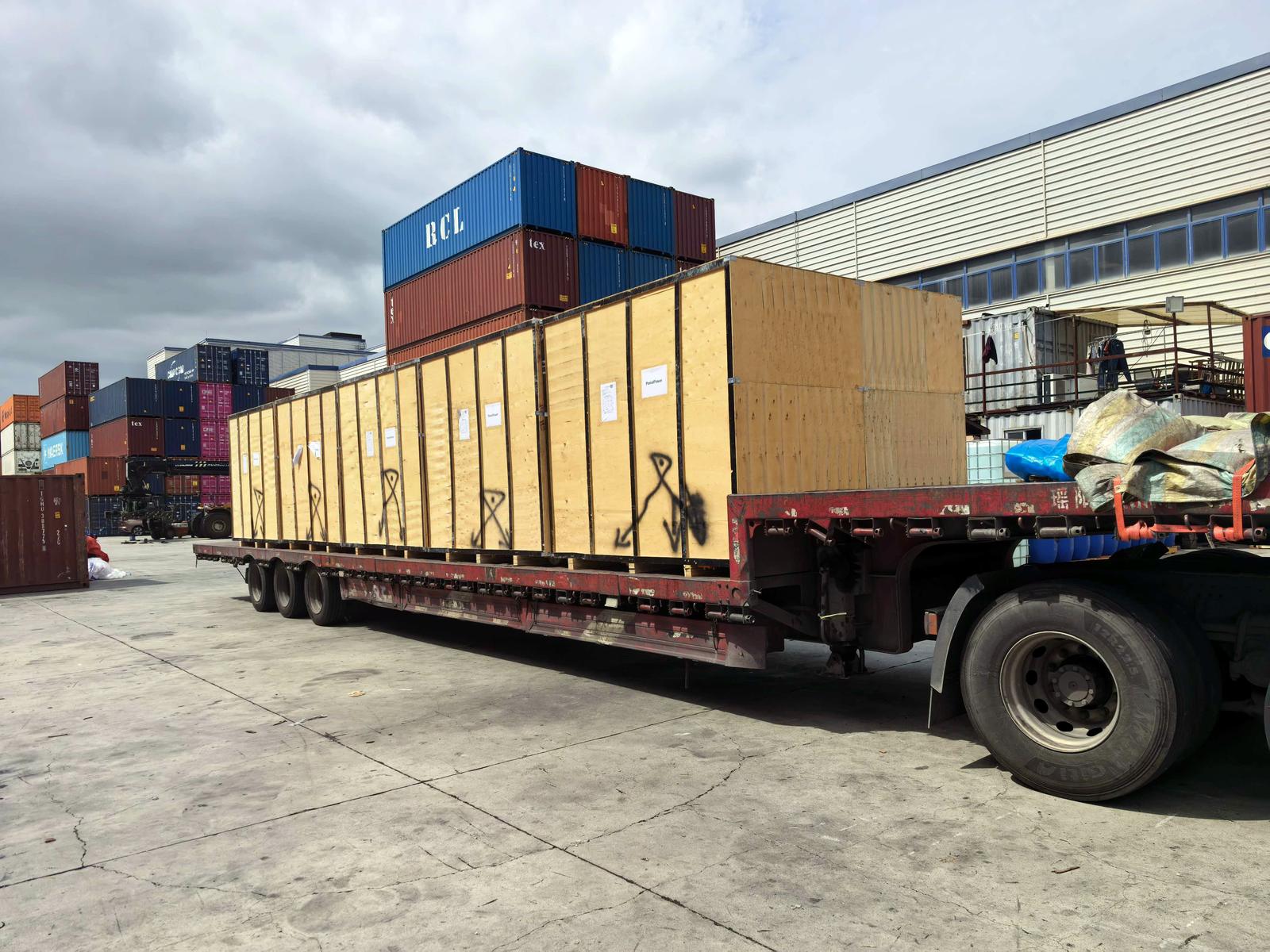
You have shortlisted a supplier and checked that they are real. Now the expensive part starts. This guide covers importing machinery from China after the shortlist: locking the specification, negotiating, sampling, payment terms, pre-shipment inspection, Incoterms, crating and shipping, and the spare parts that keep your customers happy after delivery.
It is written for distributors and wholesalers of lifting and material-handling equipment. If you have not verified your supplier yet, start with our supplier audit checklist.
1. Lock the Specification Before You Talk Price
Most disputes in machinery imports start with a specification that was never written down. Before you compare prices, send every shortlisted supplier the same spec sheet and ask them to confirm it line by line.
| Spec item | Why it matters | Example from our range |
|---|---|---|
| Rated load and lift height | Decides the steel, motor and rope | Loading machine: 250–300 kg, 1.6 m |
| Power supply | 220 V 50 Hz and 110 V 60 Hz are different machines | Loading machine: AC 220 V or 110 V, or 24 V DC |
| Battery | Included or not, chemistry, charger plug | Loading machine: Makita-style mount, batteries not included |
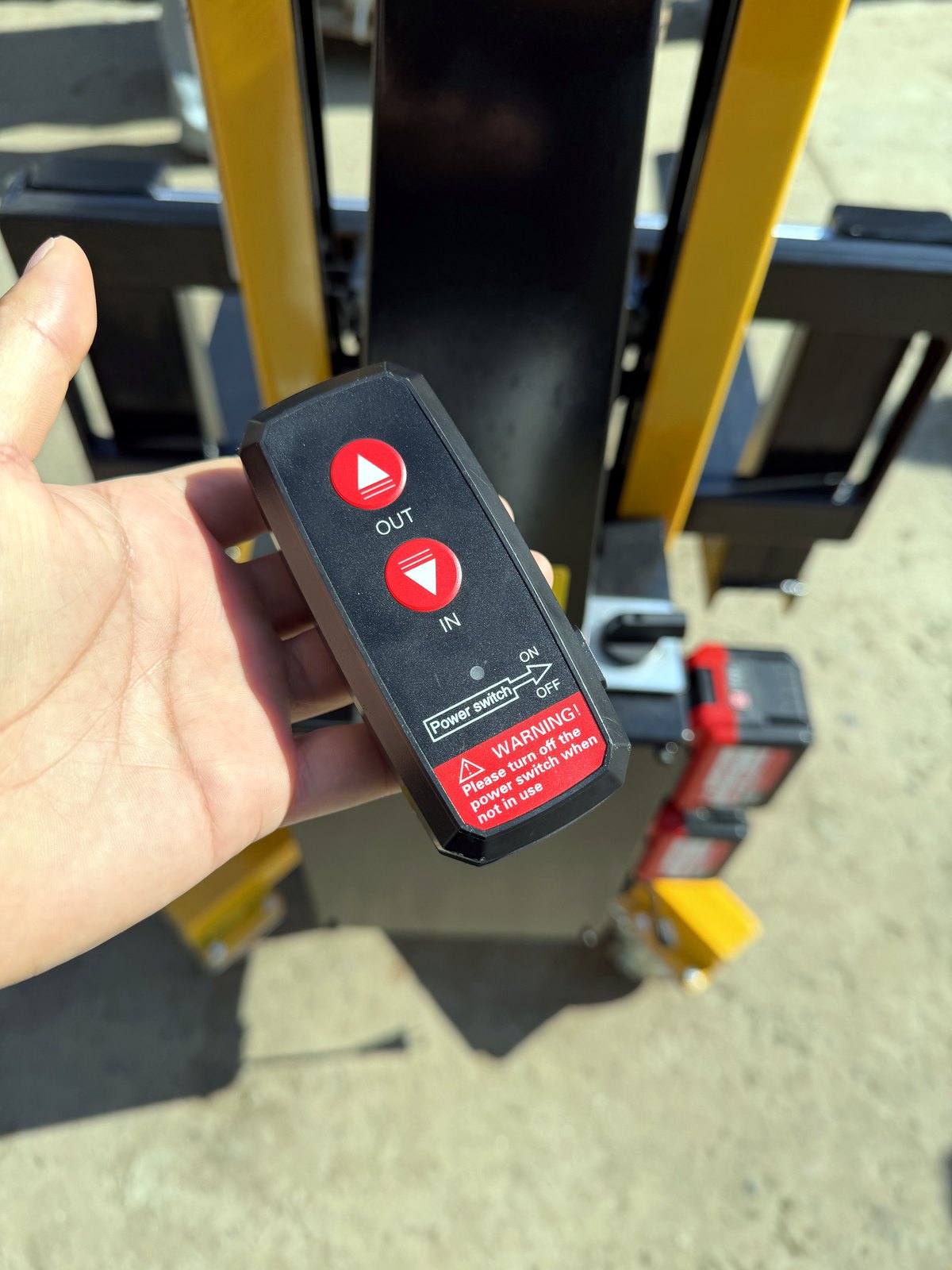
| Controls | Wired, wireless, emergency stop | Truck-mounted forklift: wireless remote |
| Labels and manual | Language and markings for your market | Agree before production |
| Packing | Crate size and gross weight drive freight cost | Loading machine: 133×68×52 cm, 62 kg net, 90 kg gross |
The details in the right-hand column come from our product pages for the New Model Loading Machine and the truck-mounted forklift. A good supplier will give you the same level of detail for every model.
2. Negotiate the Things That Actually Move Cost
Squeezing the unit price is the least effective lever, and in lifting equipment it is risky: the saving usually reappears as thinner steel, a smaller motor or a cheaper remote. Instead, ask for an itemised quotation and negotiate the parts that change real cost:
- Quantity and mix. Fewer configurations per order means less setup time.
- Options. Price each option separately: voltage, battery, fork length, colour, logo.
- Packing and inland freight. Ask what is included to the port.
- Payment terms and Incoterm. Both shift cost and risk, as shown below.
- Quote validity. Steel prices move. A clear validity date protects both sides.
3. Order a Sample the Right Way
A sample is not a gift. It is your reference for every future batch. Ask for a unit from the production line, not from the showroom, and test it like a customer would:
- Lift the rated load at full height, several times.
- Run a long cycle test and check for heat, noise and oil or rope wear.
- Test the remote range, the emergency stop and the limit switches.
- Check the welds, paint and fasteners.
- Check every accessory against the packing list.
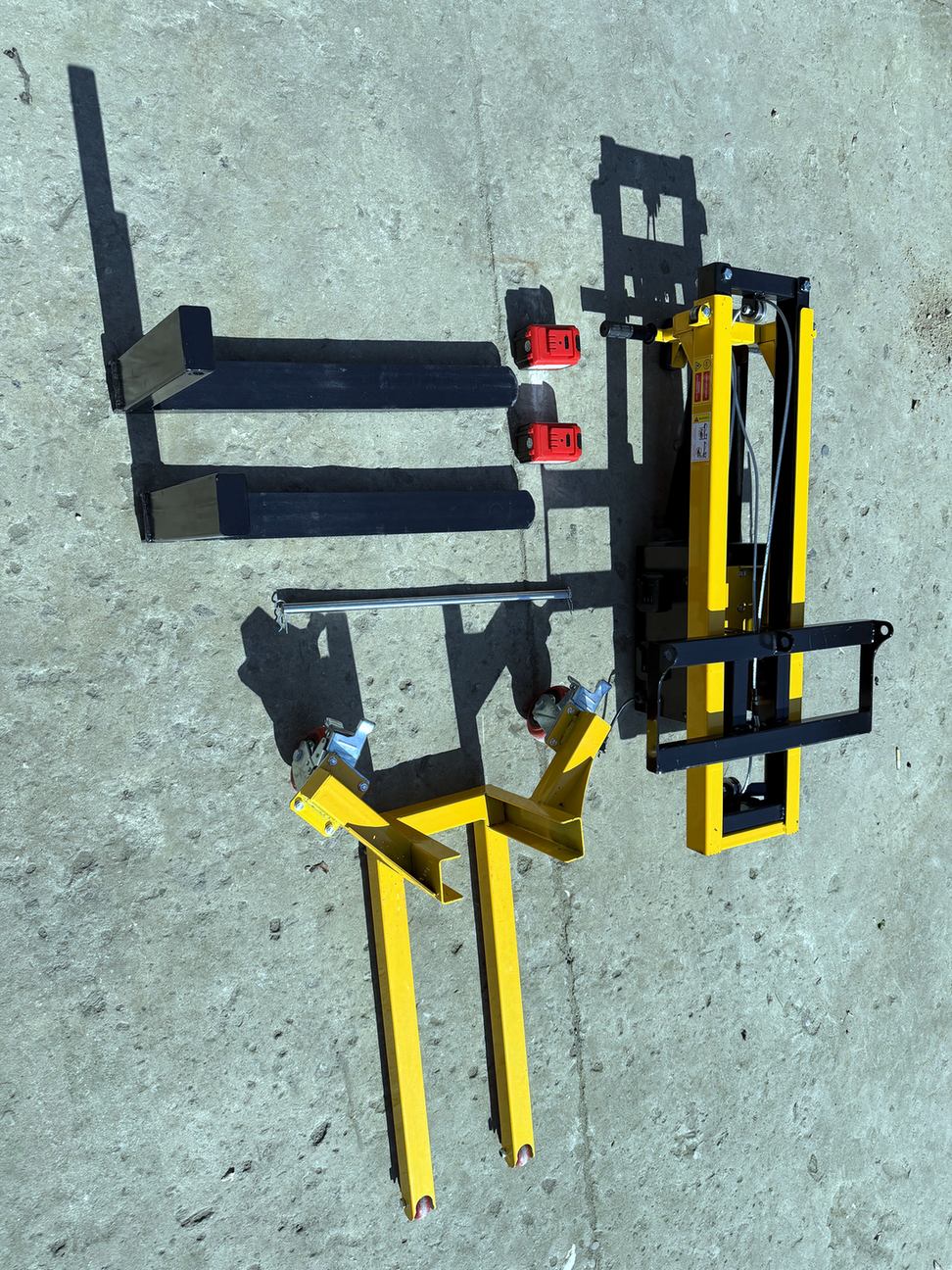
When you approve the sample, record it with photos and a signed spec sheet and keep it as the “golden sample”. Every production batch is then judged against it.
4. OEM and MOQ: Agree Them in Writing
Many Chinese machinery suppliers offer OEM options. Many of our product pages list OEM support for items such as batteries and power supply. Typical OEM items are colour, logo, labels, manual language, voltage and battery. Ask for the minimum order quantity of each option separately, because a logo sticker and a new motor have very different MOQs. Approve the artwork in writing, and register your own trademark in your market and in China before you put your brand on a product.
5. Choose Payment Terms That Match the Risk
| Term | How it works | Good for | Watch for |
|---|---|---|---|
| T/T 30/70 | 30% deposit, 70% after inspection and before shipping | Most first orders | Pay the balance only after inspection passes |
| T/T 30/70 against B/L copy | Balance after the goods are loaded and the bill of lading is issued | Repeat orders with a trusted supplier | Supplier carries more risk, so may price it in |
| L/C at sight | Your bank pays when the shipping documents match the credit | Large orders or new relationships | Bank fees, and any document mismatch delays payment |
| Platform escrow | A B2B platform holds the payment | Small trial orders | Platform rules decide disputes |
Whatever the term, pay only to a company account whose name matches the business licence, and confirm any change of bank details by phone.
6. Inspect Before You Pay the Balance
Pre-shipment inspection is the cheapest insurance in machinery imports. For small orders of machines, function-test every unit. For larger orders, an independent inspector can sample by AQL (ISO 2859-1) and function-test a share of units. If you cannot send anyone, ask for a live video inspection and lead it yourself. The checklist is the same:
- Nameplate, serial number and rated load label on every unit.
- Lift and lower at rated load, emergency stop and limit switches working.
- No oil leaks, damaged rope or loose fasteners.
- Correct voltage, plug, charger and remote.
- CE marking, declaration of conformity and manual in the right language.
- Crates built, fixed and marked as agreed.
7. Pick the Right Incoterm
| Incoterm | Supplier delivers to | Best when |
|---|---|---|
| EXW | Their premises | Your forwarder handles everything in China, including export clearance |
| FCA | Your forwarder's carrier, cleared for export | Container shipments. The ICC recommends it over FOB for containers |
| FOB | On board the vessel at the port | You have a forwarder and want control of ocean freight |
| CFR / CIF | Your port, with ocean freight paid (CIF adds insurance) | You prefer one price, but check the destination charges |
| DAP / DDP | Your address, with or without duties paid | Small orders, if the supplier has a reliable agent |
From an inland factory such as ours in Fuyang, Anhui, goods first travel by truck to the seaport. Make sure the quotation says who pays that leg.
8. Packing and Shipping Heavy Equipment
Lifting equipment is heavy, top-heavy and easy to scratch. Agree the packing in the contract:
- Crates. Plywood cases, with the machine bolted or strapped to the base so it cannot move. Plywood is exempt from ISPM 15, but any solid-wood skids or battens need heat treatment and the ISPM 15 stamp.
- Markings. Gross weight, centre of gravity, fork points, “this way up”, and your order number.
- Moisture. Wrapping and desiccant for long sea voyages, especially for electrical parts.
- Batteries. Lithium batteries ship as dangerous goods and need a UN38.3 test summary and a safety data sheet. Our loading machine ships without batteries, which keeps freight simple.
- Load plan. Ask for crate sizes early. Our powered handling truck, for example, ships in a 158×98×75 cm wooden case. With all the crate sizes, your forwarder can plan a 20-foot or 40-foot container, or quote less-than-container-load (LCL).
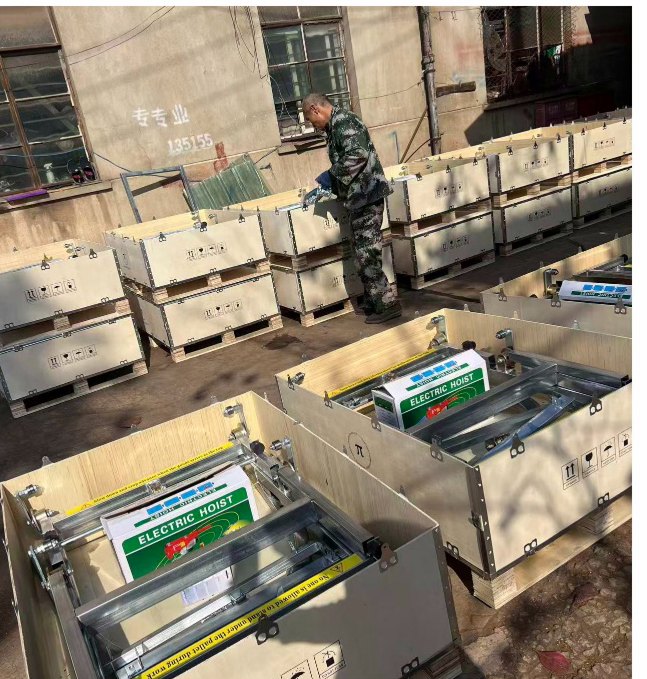
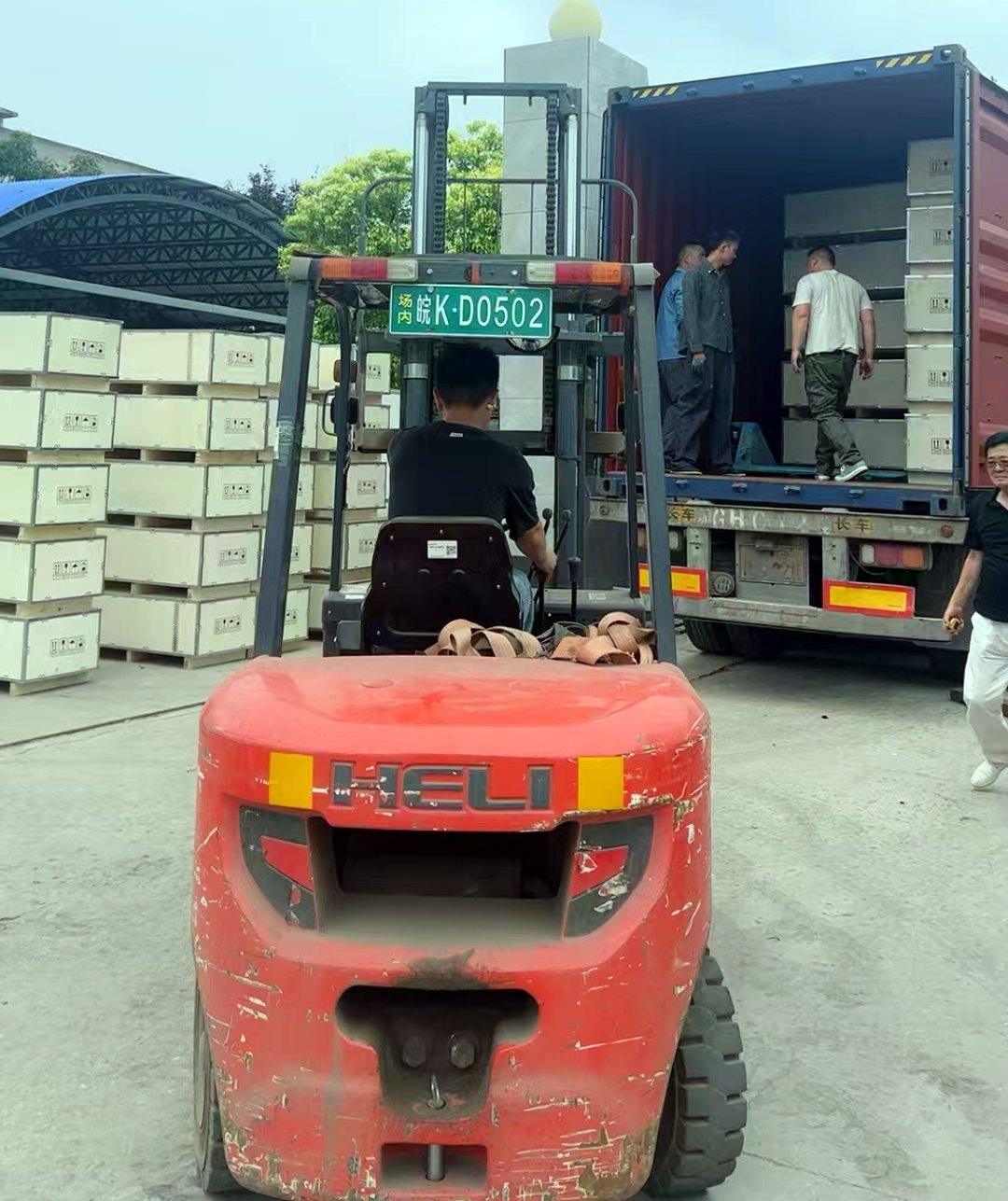
Your shipping documents normally include the commercial invoice, packing list, bill of lading and, where it lowers your duty, a certificate of origin. Lifting machinery usually falls under HS heading 8428, but confirm the exact code with your customs broker before the first shipment.
9. Spare Parts and After-Sales Before the First Order
Your customers will judge you by how fast you fix a machine, not by how cheaply you bought it. Agree these points before the first order:
- A starter spare parts kit shipped with the first container: remotes, chargers, limit switches, fuses, castors and wire rope for rope-driven models.
- An exploded drawing with part numbers, so you can order the right part by email.
- A written warranty by component. Frame, motor, remote and battery often have different terms, so get each one in writing.
- Remote support. Video calls and short repair videos solve most field problems faster than a technician visit.
Importing Machinery from China: The Timeline
| Stage | Your action | Document |
|---|---|---|
| Specification | Send one spec sheet to all suppliers | Signed spec sheet |
| Quotation | Compare itemised quotes on the same Incoterm | Quote with validity date |
| Sample | Test, approve, keep the golden sample | Sample approval with photos |
| Order | Pay the deposit to the licensed company account | Purchase contract, proforma invoice |
| Production | Ask for photos at frame, paint and assembly | Progress photos |
| Inspection | Inspect, then release the balance | Inspection report |
| Shipping | Check the container load photos and documents | B/L, invoice, packing list |
| After-sales | Stock spare parts, log every claim | Warranty terms, parts list |
FAQ: Importing Machinery from China
Is T/T 30/70 safe for a first machinery order?
It is the most common term and is reasonable if you pay the deposit to a verified company account and release the 70% balance only after a pre-shipment inspection passes.
Should I buy FOB or CIF?
If you have a freight forwarder, FOB or FCA gives you control of ocean freight and destination costs. CIF is simpler for a first order, but check what you will pay at the destination port.
Do I need pre-shipment inspection for a small order?
Yes. For a few machines, function-testing every unit by video or with a local inspector is cheap compared with fixing one faulty machine abroad.
Do wooden crates need ISPM 15?
Solid wood packaging does, with heat treatment and the ISPM 15 stamp. Plywood and other processed wood are exempt, but check any solid-wood skids under the crate.
Which spare parts should I order with the first shipment?
Remotes, chargers, limit switches, fuses and castors, plus wire rope for rope-driven lifts. Ask for an exploded drawing with part numbers so you can reorder accurately.
Planning your first container of lifting equipment? Send ZG-Helplift your target models, quantities, voltage and destination port. We will reply with specifications, crate sizes and a quotation you can compare line by line.
Email Factory@helplift.cn, message us on WhatsApp at +86 18055890315, or send the inquiry form on any product page.
All photos: ZG-Helplift's own product, workshop and shipment photos.