
 By: ZG-Helplift
ZGHELPLIFT / PRODUCT INSIGHT
The Lift Reaches the Shelf. Can It Reach the Aisle?
A warehouse buyer can see the upper shelf from the loading bay. The difficult part is getting a tall, wheeled lift from that bay to the receiving position, opening its supports, and presenting the load at the right height. For a four-stage electric lift, the useful first question is therefore not simply “How high does it go?” It is whether one configuration can travel the route, stand where the work is done, and support the actual load.
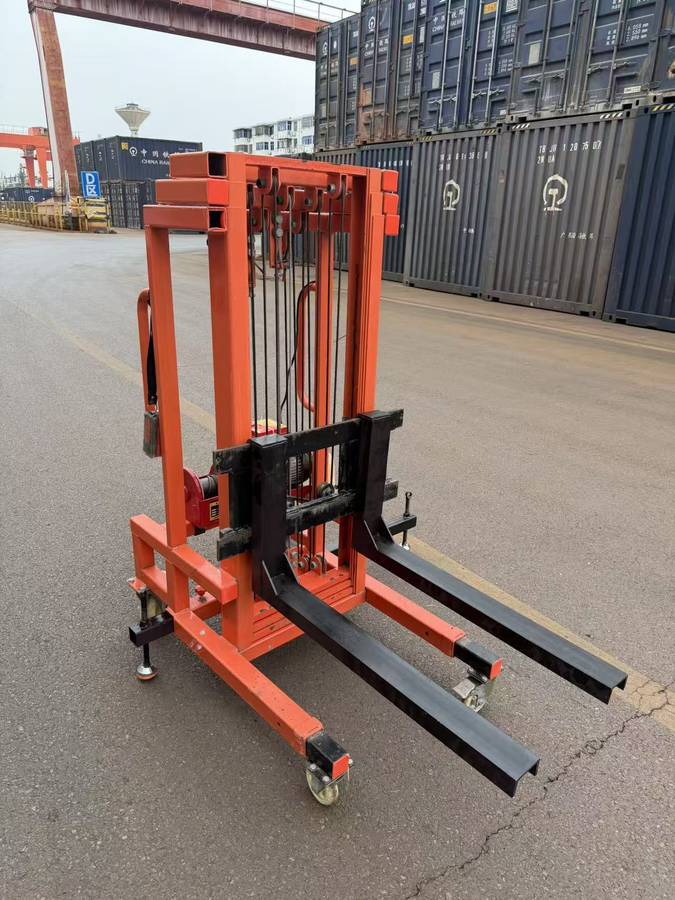
Start at the doorway, not the top shelf
Imagine tracing the route of a packed component from the unloading point to an upper storage level. There may be a low door, a turn around a rack end, and a floor joint before the lift reaches its final position. The ZGHELPLIFT catalogue lists three four-stage models with lifting heights of 4, 5 and 6 m. Their listed machine heights are 1.76, 1.86 and 1.98 m respectively. Those figures make the doorway and transport position part of model selection, not a detail to discover after delivery.
The catalogue does not give every turning and passage dimension. A buyer should send the narrowest opening, the turn radius available, the floor condition, and a photo of the final bay. Then the proposed machine can be compared with the real path rather than with an empty warehouse drawing.
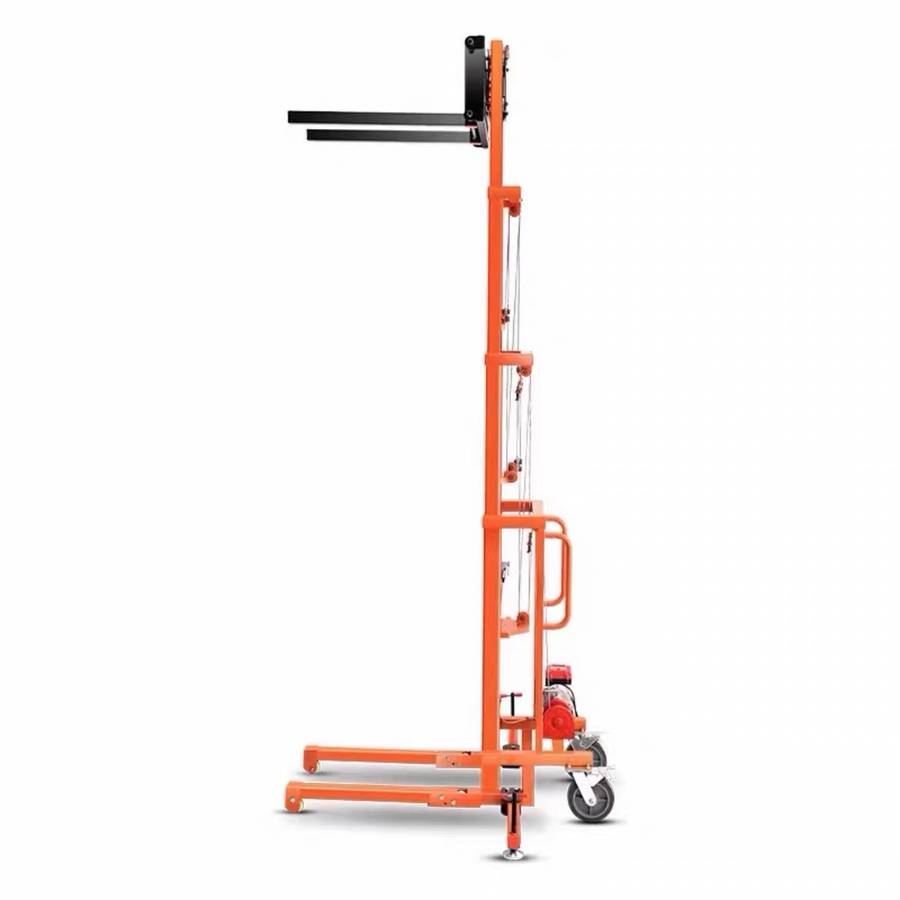
Where do the forks meet the load?
At the receiving bay, the next question shifts from the mast to the item being lifted. The catalogue describes 70 cm forks with adjustable width from 30 to 60 cm and lists a 400 kg capacity for this series. A pallet or equipment frame still needs suitable entry points, a stable support area, and a known weight and centre of gravity. A rated number alone does not show that an irregular item can sit correctly on the forks.
The supplied machine images make the fork carriage and front supports visible. They are useful for discussing where a load would meet the lift. They are not evidence that an unseen pallet, shelf, or site is compatible. If the item has a solid underside, a narrow gap or an off-centre motor, its underside drawing may matter more than its headline weight.
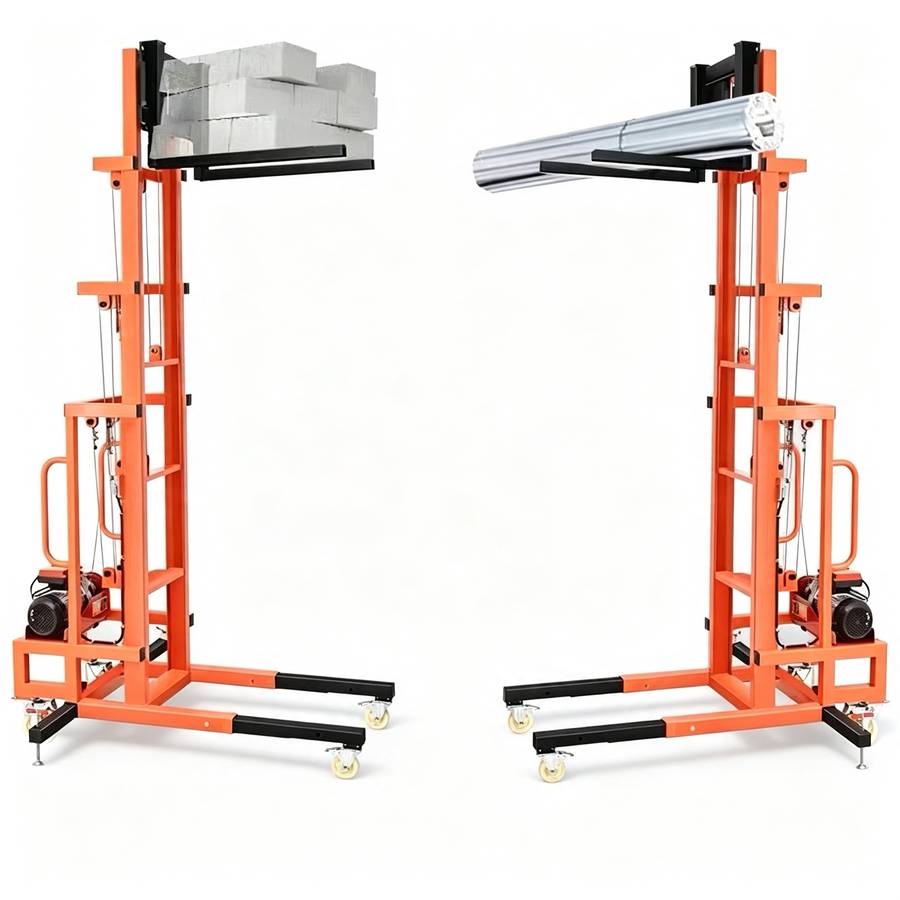
Leave room for the supports and the operator
Before lifting, the machine needs a place to stand. The catalogue specifies a 50 cm outrigger and AC 220 V electric lifting with a PA1000 motor. That calls for a check of available floor space and power at the point of use. An aisle that admits the mast may still be too tight for the supports or for the person to operate from the permitted position. The floor condition and operating procedure must be checked against the current machine instructions.
The same route test should be repeated in reverse. After the load is placed, where can the lift be lowered, turned and moved back out? Planning only the upward movement leaves half the job unanswered.
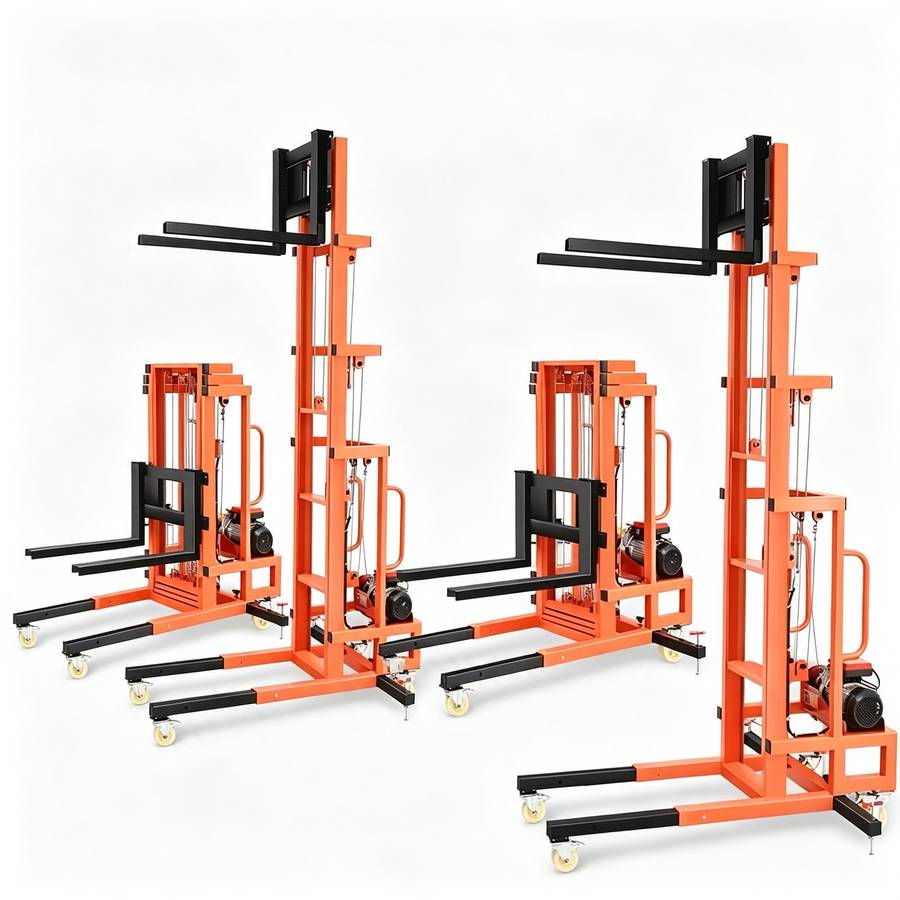
Choose the height after the route is proved
The three listed models offer different reach, but the taller choice also has a taller listed machine height and a different packed size. ZGHELPLIFT can discuss the intended configuration when the buyer supplies the load weight and underside, required receiving height, doorway and aisle measurements, floor and power details, and photographs of the working position. Those details decide whether this four-stage family is a sensible starting point. The current drawing and operating documents must confirm the final configuration before use.