
 By: ZG-Helplift
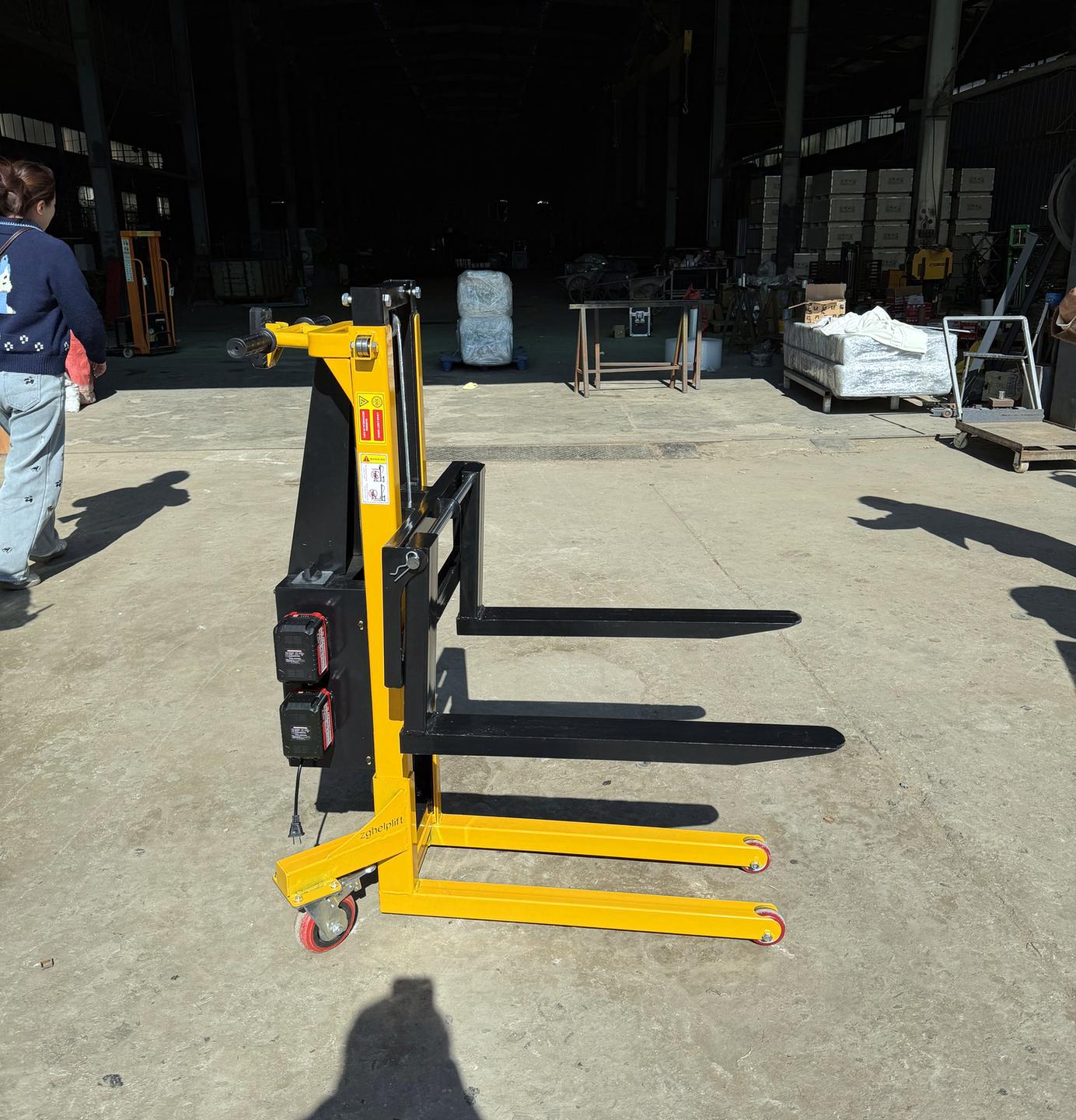
A loading machine for warehouse work matters most when containers arrive faster than people can empty them. In autumn 2026, that is what many importers are facing. More boxes arrive, and every carton still has to come out of a container and go onto a delivery truck. This article looks at the container surge and at what a compact electric loading machine can and cannot do about it.
The 2026 Container Surge, in Numbers
The Ports of Los Angeles and Long Beach together handled 1,000,500 TEU of imports in October 2026, just below September's all-time high, Bloomberg reported on 12 November. Port of LA Executive Director Gene Seroka linked the surge to changing trade policy, uncertainty on other shipping routes, consumer spending and retailers restocking.
Port of Long Beach CEO Noel Hacegaba said he expected volumes to stay high at least into the new year, as importers front-load goods before a US-China trade truce expires again in January.
“We expect to be busy at least through the first month of the new year and possibly through the first quarter.”
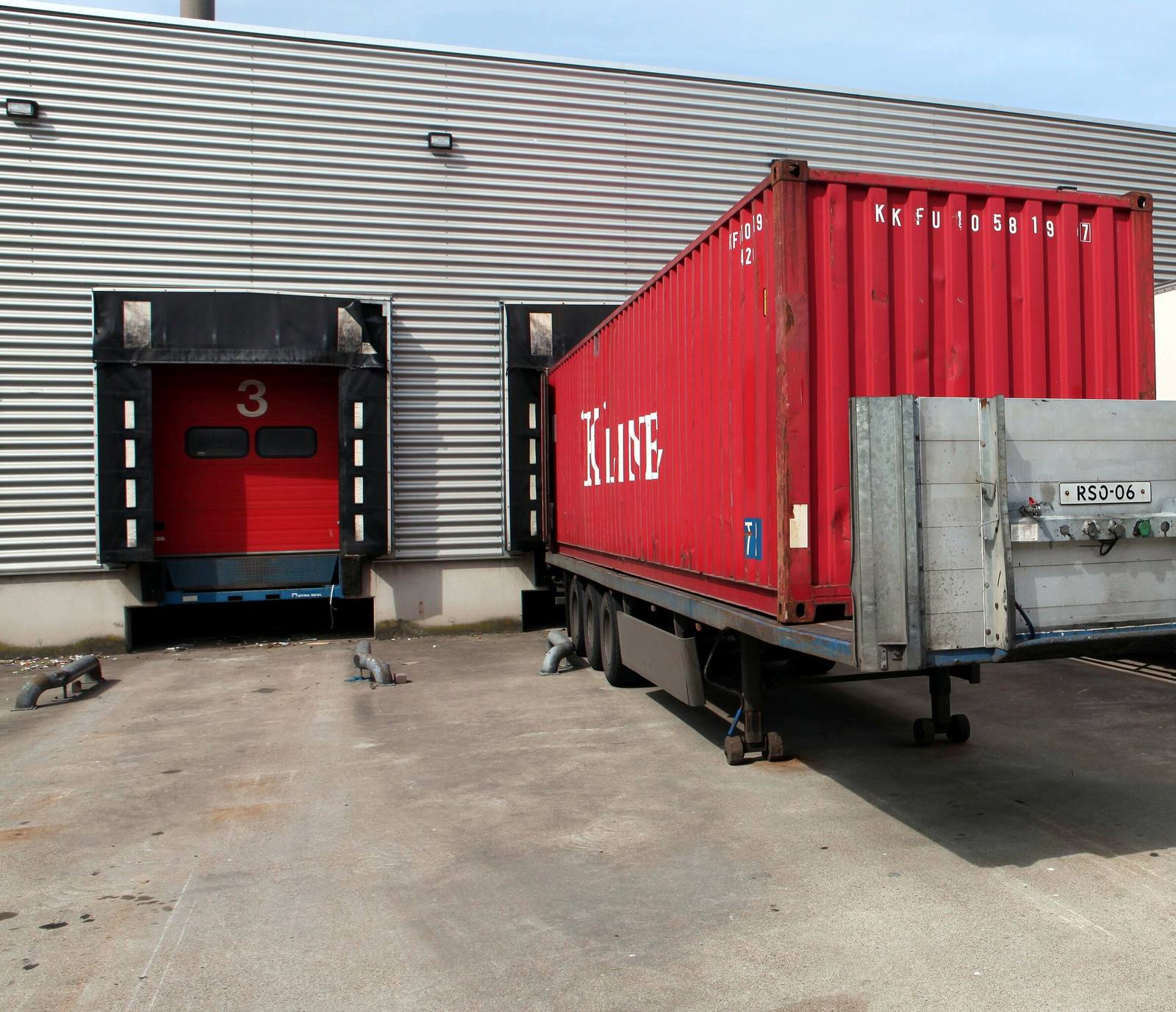
Who Unloads All Those Containers?
Ports measure the surge in TEU. Warehouses feel it as people. In Poland, staffing firm LeasingTeam Group said on 16 November that demand for workers in logistics and packaging will grow by more than 200% in the December peak. Its COO said the firm is recruiting people for “loading and unloading vehicles and containers”, and that forklift operators are particularly hard to find quickly.
In the US, a staffing firm's 19 November briefing warned that when unloading falls behind, trailers hold dock doors longer than scheduled and outbound shipments miss their windows. The news points at one job: getting goods out of containers and onto trucks, with fewer experienced hands than the volume needs.
A Wholesaler With No Loading Dock
Daniel is fictional, but his situation is common. He runs a small homeware import business from a rented unit with a roller door and no dock. This autumn his containers started arriving every week instead of every month, packed floor to ceiling with loose cartons.
His team of four did everything by hand. One person stood in the container passing cartons down, two carried them to the racks, and later the same cartons were lifted again into delivery vans for his retail customers. Each carton was handled at awkward height twice. A forklift was no help with loose cartons, and there was no room to turn one anyway.
The work was not complicated. It was the height, again and again.
Container Unloading Without Carrying Cartons Down
A compact New Model Loading Machine (ZGXKZCJ160) changes both ends of Daniel's day. Its forks rise to 1.6 m, so they can sit level with a container or trailer floor when the vehicle bed is within that height. Cartons slide onto the forks, the forks lower, and the stack is moved away at ground level. Up to 250–300 kg goes down in one movement instead of carton by carton.
For outbound orders, the same machine works in reverse as a vehicle loading lift: cartons go on at floor level and rise to the van bed. That is the same last-metre step that our peak-season guide covers for parcel depots.
Built for Small Warehouses
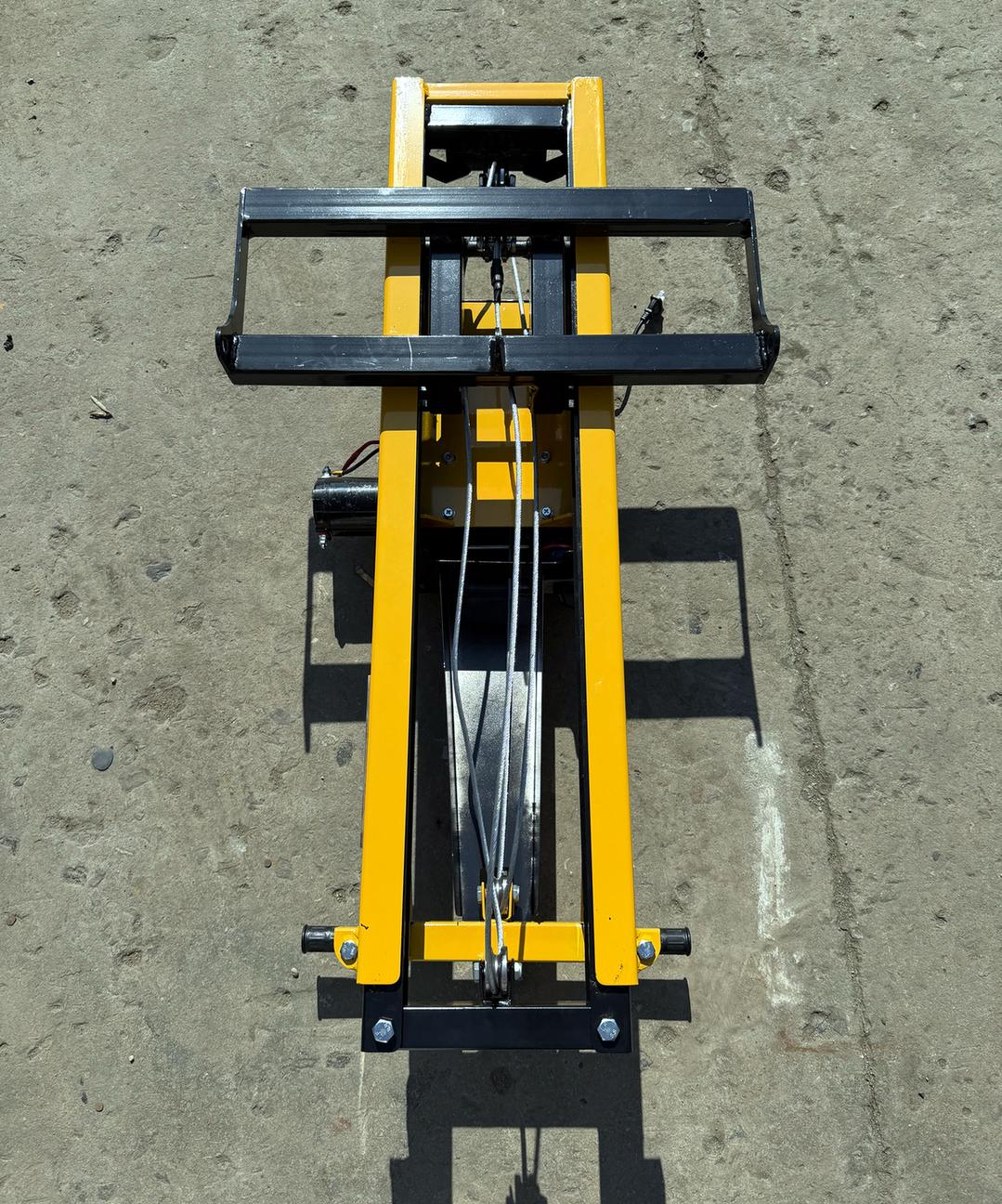
Fits where a forklift does not
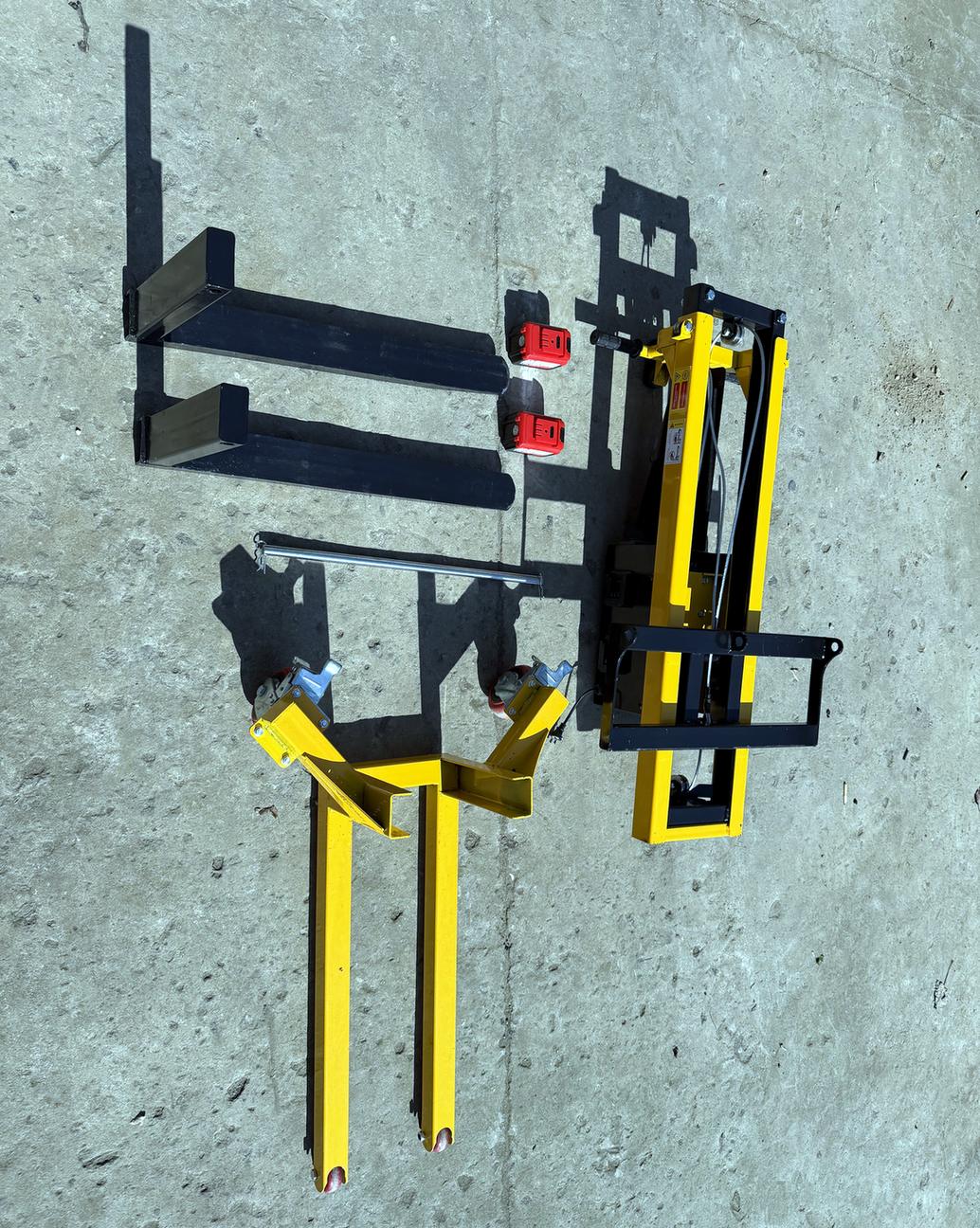
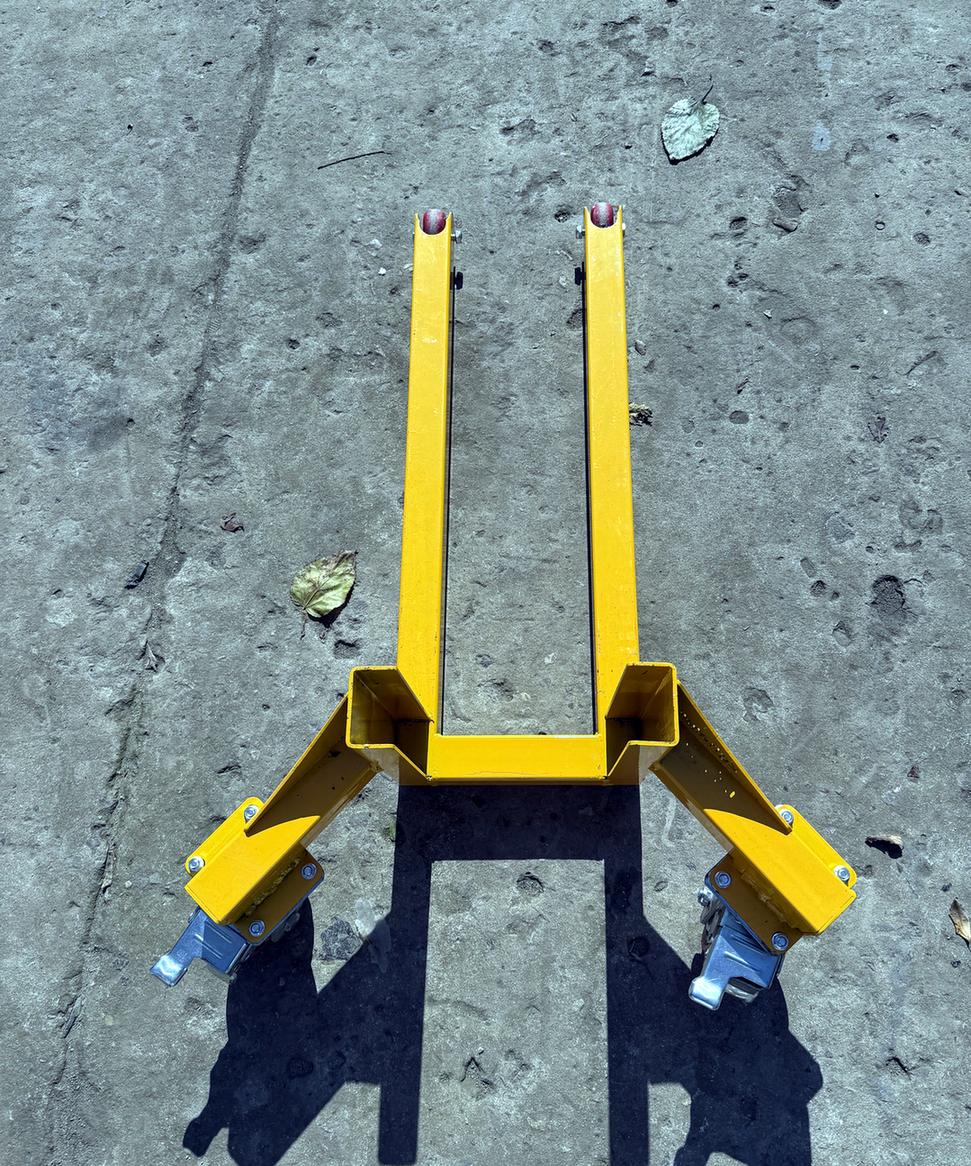
The machine is compact and comes apart. The frame is removable and the forks detach, so it packs down to 133 × 68 × 52 cm and weighs 62 kg net. It can be stored in a corner when the container is empty, or taken to a second site in a van.
Forks that adjust to the carton
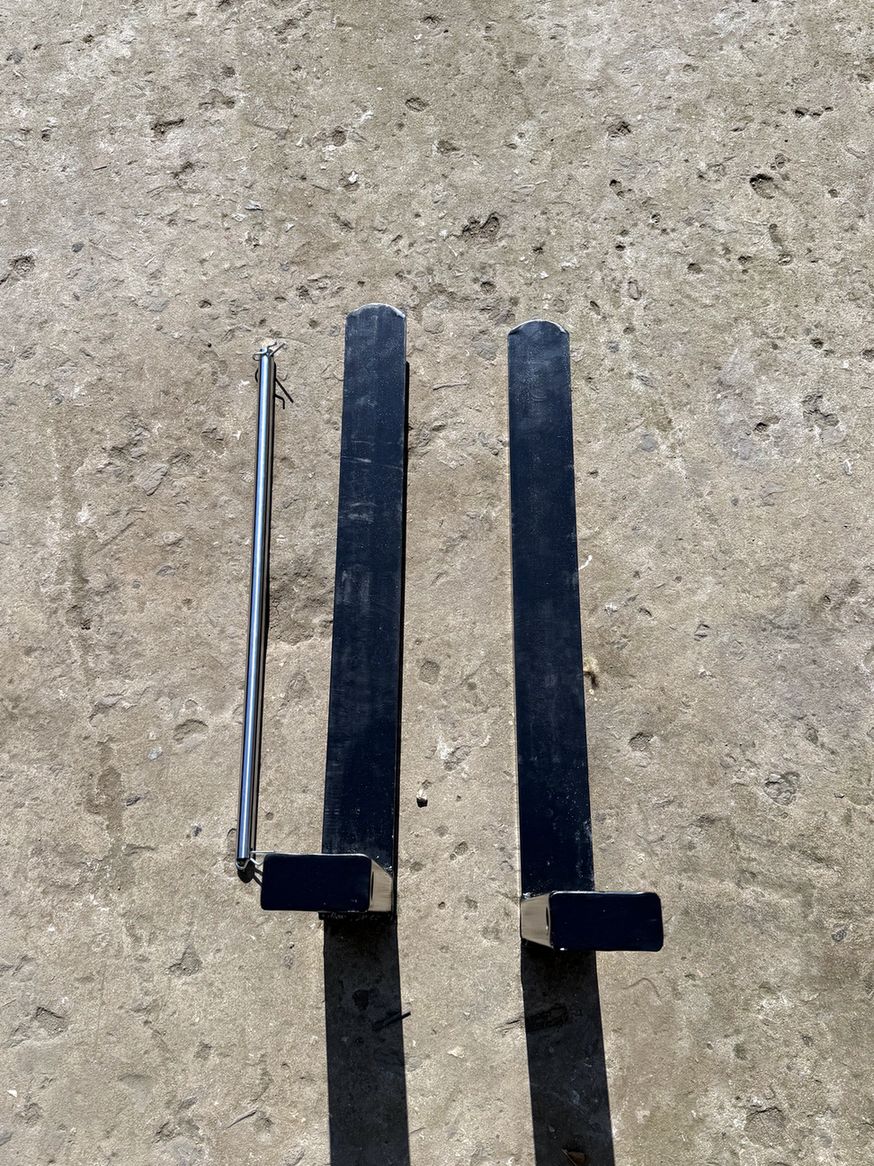
Import cartons come in many sizes. The forks can be taken off and moved sideways to change their spacing, so small and wide cartons both sit securely.
Mains or battery power
Inside, plug into 220 V or 110 V AC mains, as specified on the nameplate. At a container parked out in the yard, switch to a nominal 24 V DC supply from tool batteries on a Makita-style mount. Batteries are not included because of dangerous-goods shipping rules, and ZG-Helplift can recommend a compatible model. A battery level display and overcharge protection are built in.
Planning a Container Day
With more containers arriving, a simple plan for each one saves hours. Daniel's team now follows a short routine:
- Before arrival: check the packing list for the heaviest cartons and clear a staging area next to the door.
- At the door: set the forks level with the container floor, confirm the height is within 1.6 m, and keep one person inside and one at the controls.
- On the floor: lower each stack and move it to the racks at ground level, never above the rated load.
- For outbound: stage orders by van and use the same machine to raise heavy cartons to the load bed.
- After the container: charge or swap batteries, and fold the machine away if space is tight.
The result is not a fully automated warehouse. It is a small team doing the same work with far less lifting, which matters when experienced hands are hard to hire.
Loading Machine for Warehouse Use: Specifications
| Item | Specification |
|---|---|
| Model | ZGXKZCJ160 |
| Load capacity | 250–300 kg |
| Lift height | 1.6 m (160 cm) |
| AC power | 220 V or 110 V AC, as specified on the nameplate |
| DC power | Nominal 24 V DC, compatible with approved 21 V batteries |
| Battery mount | Makita-style (batteries not included) |
| Net / packed weight | 62 kg / 90 kg |
| Packing dimensions | 133 × 68 × 52 cm |
| Safety | Dual wire-rope design, battery level display, overcharge protection |
| OEM | OEM options available |
Available load capacity varies with supply voltage and battery charge. Always check the machine nameplate and the manufacturer's load guidance.
What It Will Not Do
Be clear about the limits before you buy. This is a loading machine for loose cartons, cases and single heavy items, not for full pallets. Check your container or trailer floor height against the 1.6 m lift, and your heaviest stack against the 250–300 kg range. For a 40-foot container of palletised goods, you still need a forklift and a dock or ramp.
Want to see the same machine with flight cases instead of cartons? Read our flight case lift story from a midnight loading dock.
This guide is about inbound container unloading. For outbound peak-season parcel and van loading, see Truck Loading Machine for Peak Season: Lift Parcels, Not Backs.
Loading Machine for Warehouse FAQ
Can this loading machine help with container unloading?
Yes, for loose cartons and cases. With the forks raised level with a container or trailer floor within 1.6 m, cartons slide on and are lowered to the ground. It is not designed for full pallets.
How much can it lift?
Its load capacity range is 250–300 kg, with a lift height of 1.6 m. Capacity varies with supply voltage and battery charge.
Does it need a loading dock?
No. It is a compact electric stacker that works at ground level, so it suits units with a roller door and no dock.
Can it work in a yard away from power?
Yes. It runs on a nominal 24 V DC battery supply through a Makita-style mount, or on 220 V or 110 V AC mains. Batteries are not included.
Is OEM branding available?
Yes. OEM options are available on request.
More containers are coming. Make every carton easier to move, from the container door to the delivery van.
See the New Model Loading Machine, or contact ZG-Helplift for a quote and OEM options.
Cover image: left, “Truck trailer loading dock” by Joost J. Bakker, CC BY 2.0, via Wikimedia Commons, cropped with the container logo softened; right, ZG-Helplift's own product photo.